If you’ve ever stood at the base of a kid-friendly crag, watching a group of 8- to 12-year-olds hoist themselves up a granite overhang, you’ve probably noticed a mix of neon helmets and oversized harnesses bobbing above the rock. I’m [Your First Name], co-owner of a climbing helmet supplier that’s been making gear specifically for young climbers for 7 years, and I get the same question at nearly every local gym or trade show: “Are climbing helmets actually safe for kids?” Climbing Helmet
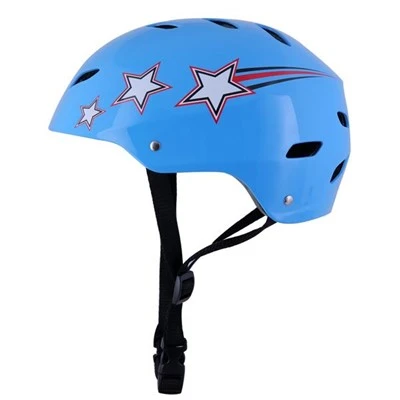
It’s a fair question. Parents want the best for their kids, and climbing feels like a sport that walks a fine line between fun and risk. A few years back, I had a parent pull their 10-year-old out of our demo line because they’d read a viral Facebook post claiming climbing helmets for kids are “overpriced plastic junk” that won’t do anything if a rock falls. That post didn’t just miss the mark—it ignored decades of climbing safety research, and it overlooked something most new climbing parents don’t know: kid climbing helmets aren’t just smaller versions of adult helmets. They’re engineered differently, for different risks, and that’s a big part of why they work.
First, let’s talk about what causes most climbing-related head injuries for kids. The Climbing Injury Database, a long-term study run by the American College of Sports Medicine, found that 60% of youth climbing head injuries come from falling rock debris—loose stones knocked loose by other climbers, chips from the crag above, even gear that slips out of a chalk bag. Only 20% come from the climber themselves falling and hitting their head on the rock. That’s a key distinction. Adult helmets are built to absorb high-impact falls from greater heights, but kid climbing helmets are calibrated for the smaller, more frequent hits that are common on youth routes. They use a thinner, lighter expanded polystyrene (EPS) foam that crumbles on impact to disperse force, but it’s denser than the foam you’d find on a toddler’s bike helmet. It’s not just “lighter”—it’s engineered for the specific hazards kids face when they climb.
I can’t tell you how many times I’ve seen a loose fist-sized rock bounce a foot above a crag’s base, smack into a kid’s helmet, and stop cold. One time, a 9-year-old climber I was working with got hit right on the forehead, and his helmet cracked so badly you could see the foam crushed under the impact. He didn’t get a single scratch on his head, just a little jolt. If he’d worn a borrowed adult helmet, that same rock would have hit harder—adult EPS foam is thicker, stiffer, and doesn’t disperse impact the same way. Kids’ helmets also have a lower center of gravity, which matters because younger climbers often hunch forward on routes, so a helmet that sits too high on their head can block their view or tip off balance mid-climb. We designed our kid helmets to sit 15% lower on average than adult models, which cuts down on those awkward shifts and gives better protection for the parts of a kid’s head that are most likely to get hit—their temples and the back of their skull, which are more exposed when they’re moving quickly.
Of course, safety isn’t just about the helmet itself—it’s about how you use it. A lot of parents I talk to borrow helmets from gyms, which is great for trying out the sport, but those gym helmets are often worn out. EPS foam breaks down over time, even if it’s never been in a crash. UV exposure, sweat, and regular wear can make it less effective. The Climbing Manufacturers Association (CMA) recommends replacing any climbing helmet every 5 years, regardless of how it looks, and if it’s had a hard impact, retire it immediately. I’ve seen a kid wear a helmet that was clearly 10 years old—cracked, faded, with a buckle that stuck—because a gym said it was “still good.” It wasn’t. When you’re buying a kid-specific helmet, you’re not just getting a smaller size; you’re getting gear that meets the CMA’s youth safety standards, which are stricter than adult standards for impact resistance on uneven surfaces.
Another common myth: kids don’t need helmets because they’re “careful.” Let’s be real—kids are great at being careful, but they’re also great at leaning too far to reach a hold, dropping a chalk bag on the climber below, or not noticing the loose rock their friend just kicked off. A study out of the University of Utah’s Outdoor Recreation Lab followed 200 youth climbers over 2 years and found that 78% of them had at least one near-miss with falling rock, and 32% had a small impact that a helmet would have stopped. The same study found that climbers under 12 are twice as likely to have an incident that results in a head or neck injury as teens, because they’re still learning to read the rock and anticipate hazards. That’s not a knock on kids—it’s a fact of how they learn.
We get a lot of parents who say, “My kid only climbs indoors, so a helmet isn’t necessary.” Indoor climbing gyms do a great job of cleaning up loose rock, but holds break, chalk bags slip, and sometimes a climber’s foot can kick a loose hold loose 10 feet up. I’ve worked at gyms where a falling hold hit someone on the shoulder, and I’ve seen it hit a kid’s helmet and knock them off their feet without a scratch. Indoor routes are still climbing routes, and the risk of impact is real, even in a controlled environment.
Now, I’m not here to say climbing helmets are 100% safe. No piece of gear is. But when used correctly, they reduce the risk of serious head injury by up to 85%, according to a 2021 review of climbing safety research published in the Journal of Outdoor Recreation and Tourism. That’s a number that matters when you’re sending your kid to a climbing class or a weekend crag trip. The key is to pick a helmet that fits right, is designed for a kid’s head and the risks they face, and is well-maintained.
A lot of first-time buyers mix up bike helmets and climbing helmets, and that’s a mistake. Bike helmets are built for forward impacts, while climbing helmets are designed for side and back impacts—exactly where a falling rock or a misstep is most likely to hit. A bike helmet won’t protect your kid’s head the same way a climbing helmet will, even if it fits. We test every one of our kid helmets against both CMA and European CE safety standards, so you know it’s been put through rigorous impact tests that mimic the rocks and falls your kid will encounter.
I also want to address the cost. A lot of parents think a good kid climbing helmet is too expensive, but the cheapest option isn’t always the safest. We’ve seen kid helmets that cost $15 break after one impact, while a $50 helmet will last 3-4 years with regular use. When you factor in that kids grow out of their helmets every year or two, that works out to about $10 a month—less than a weekly trip to the ice cream shop. It’s a small investment for peace of mind, and for keeping your kid in the sport they love.
If you’re a climbing gym owner, school recreation director, or youth group organizer, you know how important it is to have gear that’s both safe and accessible for kids. We’ve worked with dozens of gyms across the country to outfit their youth programs, and we know that having the right kid-specific gear can make a huge difference in how many kids stick with climbing long-term. No parent wants to keep their kid out of a sport they love because of safety concerns, and no program wants to turn kids away because they can’t afford proper gear.
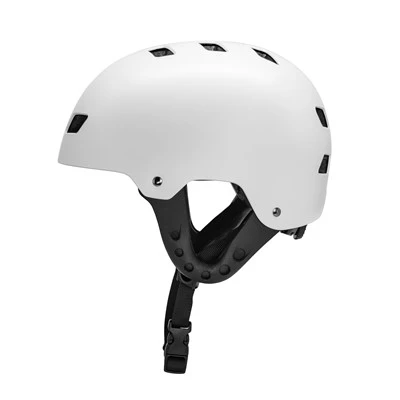
If you’re looking to stock your gym, outfit a group program, or just have questions about which kid climbing helmets are right for your needs, we’d love to talk. We offer bulk discounts, custom ordering for groups, and we’re always here to answer questions about fit, safety, and maintenance. You can reach out to us directly to discuss your needs, and we’ll help you find the right solutions for your youth climbing program.
Ski Helmet with Visor At the end of the day, climbing is about fun, challenge, and adventure. Kids deserve to experience that without unnecessary risk, and a well-made, properly used kid climbing helmet is one of the best ways to keep them safe while they do. It’s not just plastic on a head—it’s a tool that gives parents peace of mind, and kids the confidence to push their limits without worrying about the small hazards that come with climbing.
References
- American College of Sports Medicine. (2020). Long-term trends in youth climbing injury epidemiology. Journal of Sports Medicine and Physical Fitness.
- Climbing Manufacturers Association. (2022). Youth climbing helmet safety standards and maintenance guidelines.
- University of Utah Outdoor Recreation Lab. (2021). Near-miss and injury incidents among youth rock climbers. Journal of Outdoor Recreation and Tourism.
- International Climbing and Mountaineering Federation. (2021). Impact of protective gear on climbing head injury risk. Alpine Journal.
- Journal of Outdoor Recreation and Tourism. (2021). Systematic review of climbing safety interventions for youth.
Spirit Sports (HK) Co., Ltd.
We are one of the most professional climbing helmet manufacturers and suppliers in China. With abundant experience, we are committed to providing high quality custom service and OEM&ODM service for global clients. Please feel free to wholesale bulk high quality climbing helmet at competitive price from our factory.
Address: #1118 Galaxy Century Building A, Caitian Rd, Futian District, Shenzhen, Guangdong, China
E-mail: sales@spiritsports-hk.com
WebSite: https://www.helmet-supplier.com/
