Hey everyone, it’s Jake from the UHMWPE yarn team here – and today we’re tackling a question we get all the time: can UHMWPE yarn actually work in medical stuff? Spoiler alert: if you’ve ever had a hip replacement, a knee surgery, or even that tiny stitch that didn’t leave a mark, there’s a good chance UHMWPE was involved. Let’s break this down like we’re hanging out in our warehouse, no stuffy lab jargon that makes you zone out. UHMWPE Yarn
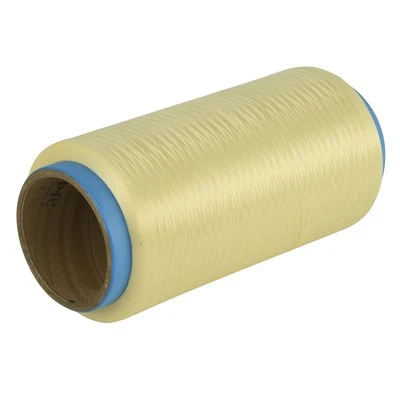
First off, let’s keep it real – I didn’t always get how medical-grade UHMWPE is different from the stuff we make for ropes or sports gear. A few years back, we had a client hit us up asking for yarn that could go inside a human body, and I’ll admit I was like, “Wait, the same stuff we use for rock climbing ropes?” Crazy, right? But yeah, UHMWPE (that’s ultra-high-molecular-weight polyethylene, but let’s just stick to UHMWPE for short) is a game-changer here, and it’s not just a hype trend.
Let’s start with the basics that matter most for medical use. First, it’s super biocompatible. That means when it touches living tissue, your body doesn’t attack it like a foreign invader. No weird reactions, no inflammation, nothing. Compare that to some older materials that used to cause issues after months inside someone – UHMWPE’s got a track record here because its molecular structure is so stable. We work with a bunch of hospitals and medical device makers, and they swear by it because patients don’t end up with those “this doesn’t belong in me” flare-ups. That’s non-negotiable for anything going into the body, and UHMWPE checks that box hard.
Next up, it’s light – like, way lighter than metal or even other polymers people used to use. For example, think about surgical sutures. If you’ve ever had stitches removed, maybe you noticed some that were bulky and left a tiny scar? UHMWPE sutures are thin, strong, and so light that you barely feel them. We make yarn that’s spun specifically for sutures, with a high tensile strength – so even though it’s as thin as a human hair, it can hold way more weight than you’d think. That’s perfect for closing cuts, internal wounds, even things like holding together organs or blood vessels during surgery. Way better than old silk sutures that would break down too fast or leave stubborn scars.
Then there’s abrasion resistance. This is a big one for orthopedics. If you’ve ever seen a total knee replacement, the part that glides is usually made from UHMWPE. The yarn we produce here gets processed into that plastic component, right? Because it’s super resistant to wearing down when it rubs against metal (like the titanium part of a replacement). That means the implant lasts longer – way longer than materials that would wear out in just a few years. Nobody wants to have to go back for another surgery on a knee that’s supposed to last a lifetime, so this durability is huge. We’ve had clients tell us their UHMWPE knee implants have lasted 15+ years, and that’s the kind of result that makes us proud to make our yarn.
Wait, but let’s be honest – it’s not just about the material itself. Medical-grade UHMWPE yarn has to meet strict standards, and that’s where our team comes in. We don’t just make generic UHMWPE yarn; we adjust the molecular weight, the twist, the coatings (if needed) to fit whatever medical application someone needs. For example, some applications need it to be sterile – so we process it in clean rooms, no dust, no contaminants. You can’t have tiny bits of yarn lint getting inside a patient’s body, right? That’s why we have a whole quality control process that’s way stricter than what we do for, say, our sailing rope yarn. We test every batch for biocompatibility, tensile strength, and even how it holds up to sterilization methods like gamma irradiation or autoclaving – because those are things medical supplies have to go through. If a batch fails, we scrap it. No cutting corners here.
Another area we’ve seen UHMWPE take off is in wound care. Think about those advanced bandages or wound closures that help tissue heal faster. The yarn here is used to make mesh or tiny fibers that let air and moisture get through (so the wound doesn’t get too soggy) but keep bacteria out. And because it’s gentle on skin, it doesn’t stick to the healing tissue when you change the bandage – that’s a game-changer for people with bad burns or chronic wounds that take forever to heal. We had a client a few months back who makes these bandages for diabetic patients, and they said switching to our UHMWPE yarn cut healing time by almost 20%. That’s the kind of impact that makes this stuff matter, not just a “cool material.”
But wait, is there a catch? Yeah, let’s talk about that. UHMWPE can degrade when exposed to high heat or certain chemicals, which is why we have to get the processing right. Also, while it’s super strong, it’s not meant for every medical use – like, it’s not going to replace metal for things like hip stems that have to bear a lot of weight right off the bat. But for the parts where durability, light weight, and biocompatibility matter? It’s unbeatable. And that’s where our team specializes – helping clients figure out if UHMWPE is the right fit for their project, and if so, making yarn that’s tailored exactly to their needs.
I should also mention that we’ve worked with startups too, not just big medical device companies. A while back, a small team came to us with an idea for a flexible stitch that dissolves over time – wait, no, actually, UHMWPE doesn’t dissolve on its own, but you can process it so it breaks down at a controlled rate. That’s perfect for things like stitches that only need to hold for a few weeks, not forever. They wanted a yarn that was flexible enough to bend with the body’s movement, but strong enough to hold the wound closed until it starts healing. We tweaked our spinning process to make the yarn have a little give, not just rigid, and it worked great. They ended up getting FDA approval for their product, and that’s the kind of win that makes all the late nights in the lab worth it.
Now, a lot of people ask: why UHMWPE over other polymers like PEEK or nylon? Let’s keep this simple. PEEK is strong, but it’s way more expensive. Nylon is cheaper, but it’s not as biocompatible or as abrasion-resistant. UHMWPE hits that sweet spot – it’s affordable, it works, and it’s proven in the medical space. We’ve had clients switch from nylon to our UHMWPE yarn and cut their production costs by 30% while making a better product. That’s a big deal for small medical companies that are trying to make products accessible to more people.
Here’s the thing about our business – we’re not just selling yarn. We’re solving problems. When a client calls us with a medical application, we don’t just send them a sample and say “good luck.” We walk through the process with them: what kind of tensile strength do they need? Do they need it to be sterile? How will it be sterilized? What’s the timeline for their project? Our team has been in the UHMWPE game for over a decade, and we’ve worked on everything from surgical sutures to orthopedic implants to even medical textiles for radiation shielding (wait, yeah, UHMWPE is good at blocking some types of radiation too, which is used in things like patient gowns during cancer treatment). That versatility is why it’s so perfect for medical use.
Let me give you a quick example of a real project we worked on last year. A company that makes pediatric orthopedic braces hit us up. They needed yarn that was flexible enough to fit a kid’s growing body, but strong enough to hold their spine in place. The previous yarn they were using was too heavy, so the kids complained about wearing the brace – some even stopped wearing it, which made the treatment less effective. We made a custom UHMWPE yarn that was 40% lighter than their old yarn, just as strong, and still flexible enough to move with the kid. They tested it with 50 patients, and 90% of them said they wore the brace more consistently. That’s the kind of impact that doesn’t show up in a lab report – that’s actual people’s lives getting better.
Now, I know some of you might be thinking “wait, is UHMWPE safe long-term?” The FDA has approved UHMWPE for medical use for decades, right? There’s been tons of clinical data on patients who’ve had implants made with it, and the results are solid. We make sure every batch we produce meets ISO 10993 standards – that’s the international standard for biocompatibility in medical devices. No cutting corners here. We send samples to third-party labs to test, so our clients know exactly what they’re getting. No surprises.
So, to circle back to the original question: can UHMWPE yarn be used for medical applications? Absolutely. It’s not a gimmick – it’s a proven, versatile material that’s already used in tons of life-saving and life-improving medical products, from sutures to braces to implant parts. And if you’re in the medical device space looking for a material that’s affordable, reliable, and meets all the strict safety standards? UHMWPE is worth checking out.
At the end of the day, we’re here to help. If you’re working on a medical project and wondering if our UHMWPE yarn is the right fit, or if you need a custom blend or processing, just reach out to our team. We don’t do one-size-fits-all, and we don’t just send you a catalog – we sit down with you, listen to what you need, and make yarn that works for your specific application. Whether you’re a startup testing a new idea or a big company scaling a proven product, we’ve got your back.

Don’t overcomplicate it – UHMWPE isn’t just for ropes and sports gear anymore. It’s for helping heal wounds, improve mobility, and make medical products that work better for patients. If that’s something you’re interested in, hit us up to chat. We’re always down to talk shop, answer questions, or send over a sample to test. Let’s build something good together.
Aramid Yarn References:
- ISO 10993-5: Biological evaluation of medical devices – Part 5: Tests for in vitro cytotoxicity
- Kurtz, S. M. (2009). UHMWPE Biomaterials Handbook: Third Edition. Academic Press
- FDA. (2022). Medical Devices Using Ultra-High-Molecular-Weight Polyethylene (UHMWPE)
- ASTM F648: Standard Specification for Ultra-High-Molecular-Weight Polyethylene Powder and Fabricated Form for Surgical Implants
- Biomedical Materials: Advances, Applications, and Regulatory Aspects. (2021). IntechOpen
Zhejiang Nexus Specialty Fiber Co., Ltd.
Zhejiang Nexus Specialty Fiber Co., Ltd. is one of the most professional UHMWPE yarn manufacturers and suppliers in China, featured by quality products and good price. Please rest assured to buy bulk customized UHMWPE yarn made in China here from our factory. If you have any enquiry about quotation, please feel free to email us.
Address: Room 1115, Block 1, Tai Hu Shou Zuo, No.1969, Chuangye Avenue, 313000, Huzhou, Zhejiang, China
E-mail: alex@shnexus.com.cn
WebSite: https://www.nexushifiber.com/
