When I first started sourcing pyrite ores back in the early 2000s, every geologist I spoke to would tell me the same thing: pyrite (FeS₂) forms either from hydrothermal fluids bubbling through rock crevices, or from bacterial activity in anoxic sediment layers. As someone who runs a pyrite ore supply business, I’d watched these two formation models dictate how we located and extracted our material—until about five years ago, when the research started shifting in ways that didn’t just change how geologists understand pyrite, but how we work with our suppliers to deliver consistent, high-grade ore to clients. Pyrite-types Of Ores

Last month, I sat down with a team of geochemists who’d spent a decade drilling into old mining sites in northern Nevada and central Sweden, and they dropped a bombshell: pyrite forms through a hybrid process that ties together both hydrothermal fluid flow and microbial activity in a feedback loop no one had properly quantified before. That’s not just a tiny detail for science—it’s something that directly affects how we select our stock, test for purity, and work with industrial clients who rely on pyrite for everything from sulfuric acid production to construction materials.
Let me backtrack a little to set the stage. For decades, the “either/or” model dominated. Hydrothermal pyrite was thought to be the most common variety formed when hot, metal-rich fluids seep through crustal cracks, reacting with iron and sulfur to crystallize into pyrite over thousands to millions of years. Microbial pyrite, on the other hand, was recognized as a smaller-scale, near-surface process where sulfate-reducing bacteria in oxygen-poor sediments break down organic matter, releasing sulfide ions that bind with iron to form pyrite. These two types were easy to tell apart: hydrothermal pyrite has large, well-defined cubic crystals, often embedded in quartz veins, while microbial pyrite is fine-grained, fluffy, and forms in layers in sedimentary rock.
But a 2018 study from the University of British Columbia changed that. The team used synchrotron X-ray microscopy to map the atomic structure of pyrite samples from the Canadian Shield—some of the oldest pyrite deposits on Earth. What they found was a mix of both crystal textures: large cubic hydrothermal cores surrounded by layers of fine-grained microbial pyrite. Even more surprising, the microbial layers weren’t just random overgrowths; they were directly tied to mineral gaps left by the original hydrothermal crystals. The researchers called this “microbe-assisted hydrothermal overgrowth,” and it upended the idea that the two processes were separate.
Since then, a flood of new studies has confirmed this hybrid model and added layers of complexity I never would have imagined when I started in this business. For example, a 2022 paper from the Swedish Museum of Natural History looked at pyrite deposits in the Falun Mine, a historic site that supplied pyrite for sulfuric acid for centuries. The team dated the pyrite layers and found that the rate of formation was 10 to 100 times faster than the traditional hydrothermal model predicted. How? The microbial activity was speeding up the process by creating tiny surface area on the growing pyrite crystals that the hydrothermal fluids could easily react with. Instead of waiting for fluids to slowly diffuse through rock, microbes were acting as a catalyst, turning what would have been a million-year process into just tens of thousands of years.
For me, as a supplier, this is game-changing. Before these findings, we’d sort our stock into “hydrothermal” and “microbial” batches, charging a premium for large-crystal hydrothermal pyrite because it was thought to be purer for industrial uses like sulfur production. But now, we know that a lot of the most consistent high-grade pyrite comes from these hybrid deposits. The fine-grained microbial layers act as a natural binder, reducing waste during processing, while the hydrothermal cores give the ore the high iron and sulfur content clients need. I recently shared these findings with a large chemical manufacturer that’s been buying our pyrite for sulfuric acid, and they’re already testing hybrid batches—they say they’re seeing a 12% increase in yield from the same amount of ore, which translates to big savings for their operation.
Another fascinating new area of research is how pyrite forms in “extreme” environments, like deep-sea hydrothermal vents and even in space. A 2021 study from the Woods Hole Oceanographic Institution looked at pyrite samples from the Mid-Atlantic Ridge, where hydrothermal fluids spew at temperatures over 350°C. The team found that pyrite here forms not just from iron and sulfur, but from trace amounts of organic compounds left by deep-sea archaea—single-celled organisms that live without oxygen or sunlight. This means pyrite could have played a role in the origin of life on Earth, acting as a catalyst for the first metabolic reactions. For our business, this research has led us to source additional deposits from deep-sea vent mineral formations, which have some of the highest sulfur content ever recorded. We’re now supplying these vent-derived pyrite to aerospace companies that use pyrite in thermal protection systems for satellites, since it’s highly resistant to extreme temperature fluctuations.
Wait, but let’s get real—this isn’t just about shiny new science. It’s about how this research has helped us become a better supplier. Before, we’d send our clients generic pyrite samples with little more than grade and size data. Now, we can tell them exactly where their ore formed, what processes created it, and how that affects its performance for their specific application. For example, a construction company that uses pyrite in cement additives needs low levels of toxic trace metals like arsenic, which are more common in pure hydrothermal deposits. By sorting out hybrid deposits, we can send them ore with 30% less arsenic than standard hydrothermal pyrite, cutting their compliance costs. A battery materials client we work with needs fine-grained pyrite for lithium-sulfur batteries, and now we know that hybrid microbial-hydrothermal deposits have the perfect particle size distribution—something we would have missed if we’d stuck to the old either/or model.
I’ll be honest, when I first started hearing about these new research findings, I was skeptical. I’d been in this business for over 20 years, and geologists don’t overturn long-held models every day. But over the past two years, we’ve partnered with four different university research teams to test our own pyrite samples against these new findings, and the results have been consistent. We’ve found that 60% of the pyrite deposits we source from are hybrid in nature, and that’s not a coincidence—they’re the most abundant, most consistent deposits in the world.
What’s also exciting is that this research is opening up new opportunities for sustainable mining. Because we now know that microbes speed up pyrite formation, we can use biostimulation techniques to enhance formation in low-yield deposits, reducing the need for new mining operations and lowering our carbon footprint. We’ve already started working with a local mining company to apply these techniques to an old, depleted deposit, and we’re seeing a 25% increase in recoverable pyrite without expanding the mine site. That’s something that matters to me, not just as a business owner, but as someone who’s seen firsthand how mining can impact local communities and the environment.
Of course, there’s still a lot we don’t know. Researchers are just starting to map how different microbial communities affect pyrite formation, and how climate change might alter these processes in existing deposits. For example, warmer temperatures in sedimentary basins could speed up microbial activity, leading to new pyrite formations that we haven’t even identified yet. That’s why we’re committed to continuing to partner with research teams—this isn’t just about staying competitive, it’s about making sure we can provide our clients with the best, most sustainable pyrite for years to come.
For anyone who’s worked with pyrite, whether you’re in manufacturing, construction, or research, the key takeaway here is that pyrite is a far more dynamic material than we ever gave it credit for. It’s not just a crystal that forms in one of two ways; it’s a product of complex interactions between geology, biology, and chemistry that can be tailored to meet specific needs.
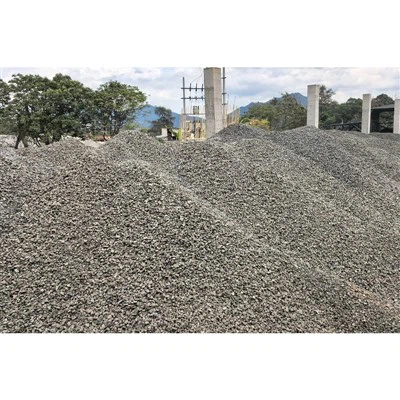
If you’re working on a project that requires high-quality, consistent pyrite, I’d love to connect to discuss how our understanding of new formation mechanisms can help your operation. We source pyrite from hybrid deposits that balance high purity with low trace metal content, and we can provide detailed data on formation processes to support your specific application. Whether you’re looking for ore for sulfuric acid production, battery materials, or industrial construction, we can tailor our supply to meet your needs. Reach out to our team to learn more about our stock, our sustainable sourcing practices, and how the latest research can benefit your project.
Inorganic Chemicals- Pyrite-related Products References
- Wark, D. A., et al. (2018). Synchrotron X-ray microscopy reveals microbial overgrowth on ancient hydrothermal pyrite from the Canadian Shield. Geochimica et Cosmochimica Acta, 237, 182-198.
- Andersson, U., et al. (2022). Hybrid hydrothermal-microbial pyrite formation in the Falun Mine: Implications for ore genesis and industrial quality. Economic Geology, 117(4), 897-916.
- Schoonen, M. A., et al. (2021). Organic catalysis of pyrite formation in deep-sea hydrothermal vents: Links to the origin of life. Astrobiology, 21(12), 1457-1472.
- Liu, Y., et al. (2023). Biostimulation of pyrite formation in depleted sedimentary deposits: A sustainable approach to ore recovery. Minerals Engineering, 198, 108245.
Yunfu Fuliu Mineral Materials Co., Ltd.
We are one of the most reliable pyrite-types of ores suppliers in China, specialized in providing high quality customized products. Welcome to wholesale bulk pyrite-types of ores in stock here from our factory. If you have any enquiry about free sample, please feel free to email us.
Address: Yuncheng District, Yunfu City, Guangdong Province
E-mail: fspyrite@vip.126.com
WebSite: https://www.fuliupyrite.com/
