Hey there, if you’ve ever shopped around for bathroom quartz countertops, you’ve probably noticed something weird: why does one brand charge $50 per square foot, and another $150? I work as a supplier in this space, and I get asked this question like, every single day. My clients—small bathroom remodelers, even folks doing partial renos themselves—are always confused. So let’s break this down without the boring jargon, no fancy terms, just real talk from someone who’s actually in the mix. Bathroom Quartz Countertop
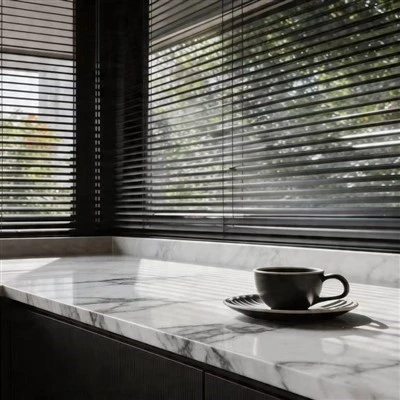
First off, let’s get this straight: quartz countertops aren’t just “quartz” across the board. Every brand makes them differently, and that’s where most of the price gap starts. Let’s start with the big names you might’ve heard of, not just the random ones on Amazon or Alibaba. For example, there’s the big manufacturers that have been around 20+ years, and then there’s the newer brands popping up left and right, especially those based overseas (I’m not knocking them, they’ve got their place).
Wait, let’s talk about raw materials first, because that’s the base cost. High-end brands use way more natural quartz crystals—like 93% to 95% of the mix. Those crystals are mined with strict standards, not the cheap stuff that has extra impurities. Then they add resins, pigments, and binders, but the good brands use UV-stabilized resins that don’t yellow over time. The budget brands? They might cut corners: only 85% quartz, cheaper resins that get brittle fast, pigments that fade in a year or two. That’s a huge difference. I’ve seen a bathroom from 2018 with a $60/ft quartz countertop already look dull, versus a $120/ft one from a reliable supplier that still looks brand new.
Then there’s production quality control. The big established brands have full factories with automated presses, temperature-controlled curing rooms, and third-party testing every single batch. If a slab has a tiny air bubble or a color spot, it gets tossed immediately. A lot of the lower-priced brands overseas? They might do spot checks, not every slab, so sometimes you get a dud that cracks out of nowhere. I had a client last year who bought a cheap quartz from a no-name brand, and three months after installation, it had a crack right where his toilet tank sat. The brand wouldn’t take it back, so he ended up buying a mid-range one from us. Ouch.
Oh, and design is another big one. The luxury brands invest a ton in designers—they work with top interior architects to make unique patterns, like marble-look quartz that actually mimics real marble without the stain issues. Some even have limited-edition lines, or special textures (matte, honed, leathered) that take extra time to finish. Those designs don’t come cheap. Budget brands just copy patterns—they scan a popular marble slab and churn out the same look for way less, but the copycat rarely has the same depth. Mid-range brands, which is where most of my inventory sits, strike a balance: good designs, solid materials, no fancy designer markup. That’s why a lot of remodelers come to me first because we don’t have that luxury brand’s designer overhead.
Wait, let’s not forget about warranties. The high-end brands will give you a 15 to 25-year warranty that covers cracks, stains, yellowing, even chipping from normal use. Budget brands might give a 1-year warranty, if at all. Mid-range? We offer a 10-year warranty, which is way more than enough for a bathroom countertop—most people move or renovate again in 10 years anyway. That warranty is part of the price tag, too. If a brand is cutting corners on materials, they can’t afford a long warranty, so they underprice to move slabs fast.
Also, brand reputation. Some people will pay extra just for the name. Like, if you’ve seen a brand in a fancy home renovation show, their prices are jacked up because of the marketing. They spend millions on ads, social media influencers, trade shows, and that cost gets passed right to the customer. The brands that don’t do big marketing (like a lot of smaller, U.S.-based manufacturers) keep prices lower because they don’t waste money on TikTok ads or billboards. That’s where my supply chain comes in—we work directly with those smaller, reputable factories that don’t do big ad spends, so we can pass the savings to our clients without skimping on quality.
Wait, what about import vs. domestic? A lot of cheap quartz is made in China, India, or Turkey, and the shipping and tariffs used to make that way more expensive, but lately, some factories overseas have optimized their process so they can ship bulk slabs cheaper. But here’s the catch: sometimes the “cheap” international quartz has to go through extra testing to make sure it’s safe—no harmful chemicals leaching into the bathroom water. A good supplier will do that testing, so if you’re buying a no-name brand from overseas, make sure they can prove it meets safety standards. That’s another hidden cost—if a brand doesn’t do that testing, they’re underpriced, but they might cut corners on chemicals. Domestic quartz, made in the U.S. or Canada, is usually a bit more expensive because of higher labor and raw material costs, but it’s easier to get replacements if a slab gets damaged—no waiting 6 weeks for a shipment.
Let’s break down the price ranges I see every day, so it’s relatable. Budget tier: $30 to $60 per square foot (installed, not just the slab). These are usually the no-name brands, low quartz content, 1-year max warranty. Good for a rental property you don’t care about long-term, but not for your master bathroom. Mid-tier: $60 to $100 per square foot installed. This is my sweet spot—good quartz content (90%+), solid resins, 10-year warranty, designs that are popular but not overpriced. Most residential remodelers use this because it’s a balance of quality and cost. High-tier: $100 to $180+ per square foot. These are the big luxury brands, fancy designs, 20+ year warranties, all the bells and whistles. Only worth it if you’re doing a forever home, or you want that “designer” look no one else has.
Wait, I should mention something that trips people up: “fabrication and installation” costs get added too, so the slab price isn’t the final total. But that’s not a brand thing, that’s your installer. But back to brands—one brand’s $80/ft slab might be way better than another’s $80/ft slab, just because of how they make it. I’ve tested slabs before: squeeze a drop of wine on a mid-range brand, wipe it off, no stain. Squeeze it on a cheap one, an hour later there’s a mark that won’t come out. That’s the resin quality, plain and simple.
Oh, and stock vs. custom. Some brands only have stock slabs, which are the most common patterns, so they’re cheaper. Custom patterns—if you want a specific color or unique edge finish—cost more, no matter the brand. But that’s not the brand’s markup, that’s the extra work to make it unique.
I get why people chase the cheapest price. When you’re renovating a bathroom, every dollar counts. But I’ve seen clients go for the $40/ft quartz, then have to replace it in 2 years because it cracked or stained, which ends up costing more than if they’d gone mid-range in the first place. That’s the trap with super cheap brands—they look like a steal, but the hidden costs add up.
So what should you look for, instead of just the price tag? First, ask the brand or your supplier: what’s the quartz content? 90% is the minimum I’d recommend. What’s the warranty? Longer is better, especially for bathrooms where there’s moisture and temperature changes. Can they provide safety test results (like NSF certification, which means it’s safe for food contact, so it’s safe for bathroom use too)? And ask to see a sample slab before you buy—run a finger over the surface, squeeze a drop of water on it, see if it absorbs. If it does, that’s a sign of low-quality resin.
For me, as a supplier, I work with mid-range and some domestic brands that check all those boxes. I don’t deal with the no-name budget brands because I don’t want my clients dealing with headaches later. My whole thing is making sure you get a countertop that lasts, without paying the luxury brand markup. That’s why a lot of repeat customers come back to me—they know they get solid quality, fair pricing, and someone they can reach if there’s an issue (no robot customer service, actual people who work with the factories).
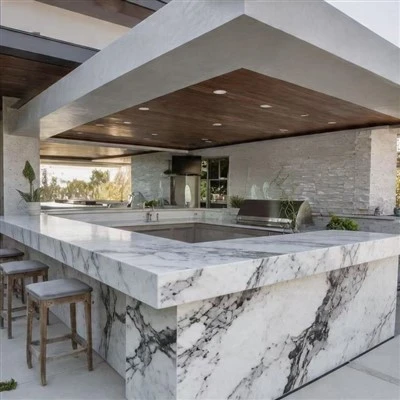
Wait, let’s wrap this up. The next time you’re comparing brands, don’t just look at the per-square-foot price. Dig a little: what’s in the slab, how is it made, what’s the warranty, who stands behind it. The price gap isn’t just a cash grab—it’s based on materials, quality, design, and support. If you’re in the market for bathroom quartz countertops, whether it’s a small remodel for your guest bathroom or a big master bath upgrade, I’m here to hook you up with the right brands at fair prices, no fluff. Reach out, we can chat through your project, look at samples, and find what fits your budget and needs.
Quartz Countertop Edges References:
- Quartz Countertop Industry Association. (2022). Global Quartz Production and Quality Standards Report.
- National Kitchen and Bath Association. (2023). Bathroom Remodeling Material Cost Analysis.
- U.S. Department of Commerce. (2022). Imported Quartz Countertop Safety and Tariff Guidelines.
- Building Materials Science Journal. (2021). Resin Formulations and Durability in Solid Surface Countertops.
Wuhu Junde New Material Technology Co., Ltd.
As one of the most experienced bathroom quartz countertop manufacturers and suppliers in China since 1998, we warmly welcome you to wholesale top-quality bathroom quartz countertop made in China here from our factory. If you have any enquiry about cooperation, please feel free to email us.
Address: No.8 Yulin Road, Xinwu Economic Development Zone, Anhui Province, China
E-mail: 1127319898@qq.com
WebSite: https://www.jundequartz.com/
