If you’ve ever stepped outside on a damp summer afternoon and noticed metal railings feeling unexpectedly cold, you’ve experienced firsthand how moisture interacts with everyday materials— a dynamic that’s far more critical when it comes to pad mounted transformers, the unassuming workhorses of residential, commercial, and light industrial power distribution. As a supplier of pad mounted transformers, I’ve spent years answering questions from electricians, facility managers, and even DIY homeowners who’re curious about why humidity matters more than just a vague “weather factor.” Today, let’s break down exactly how humidity impacts these devices, why it’s non-negotiable to get right, and what that means for anyone looking to purchase a reliable transformer for their next project. Pad Mounted Transformer
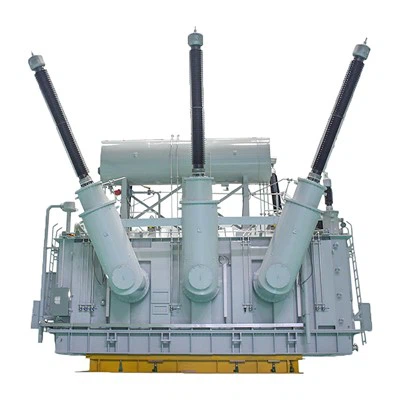
First, let’s ground this in basic physics: humidity, simply put, is the amount of water vapor in the air. Unlike rain, which is liquid water that might sit on a transformer’s casing temporarily, humidity is invisible, and its effects depend entirely on whether that vapor can find a way to interact with the transformer’s internal components. Pad mounted transformers are designed to live outdoors, weathering everything from scorching heat to heavy snow, but their sealed enclosures— the boxy, ground-hugging units we see behind strip malls or in neighborhood utility yards— are engineered to keep water out, right? Not always, and that’s where humidity becomes a problem.
The biggest risk from excess humidity for pad mounted transformers is condensation, a process that occurs when warm, moisture-laden air hits a cooler surface. Let’s use a real-world example I’ve seen dozens of times: a transformer installed in a coastal area, where summer air is hot and thick with water vapor. On a mild night, the air outside the transformer’s sealed enclosure cools rapidly. The air inside the enclosure, which was heated by the transformer’s daytime operation, is still warm and holds a high amount of moisture. When that warm, moist air meets the cool inner walls of the enclosure, it turns into tiny liquid water droplets. Those droplets don’t just sit idle— they seep into every nook and cranny, settling on the transformer’s core, windings, and insulating materials.
Now, let’s talk about what that condensation does. The core of a pad mounted transformer is made of thin, laminated steel sheets, stacked tightly to reduce energy loss from magnetic resistance. Windings are copper or aluminum wires, insulated with layers of paper and oil that act as barriers to current flow. Those insulating materials are designed to repel water, but if condensation builds up over time, especially in units that don’t have proper ventilation or moisture control, those barriers break down. For instance, I once worked with a commercial client in Florida who reported a transformer failure six months after installation. When our team inspected the unit, we found that condensation had mixed with trace amounts of dust inside the enclosure, creating a conductive film on the windings. That film caused small arcs between wires, which eventually damaged the insulation and led to a short circuit. The root cause? The client had skimped on transformers with built-in humidity management, and the local humidity— often above 80% in the summer— led to persistent condensation.
Humidity also accelerates corrosion, a silent killer for pad mounted transformers. The metal components of a transformer, from the outer casing to the internal hardware, are usually coated with a protective layer of zinc or paint to prevent rust. But high humidity speeds up the electrochemical reaction that causes corrosion: water vapor combines with oxygen and trace pollutants (like salt near coasts or road salt in winter) to create an electrolyte that eats away at metal. This isn’t just a cosmetic issue— rust on the transformer’s core increases magnetic resistance, forcing the unit to work harder to deliver the same amount of power, which drives up energy costs and shortens its lifespan. I’ve seen transformers in high-humidity areas fail 30% earlier than their rated lifespan, simply because of unaddressed corrosion from moisture exposure.
Wait, is all humidity bad? No— not exactly. Low humidity, like the dry air in a desert or high-altitude region, actually has little to no negative effect on pad mounted transformers. In fact, some manufacturers even test units in low-humidity conditions to ensure they don’t develop static electricity buildup, which can damage electronic sensors or control circuits in newer models. The problem lies in moderate to high humidity, typically above 60% relative humidity, especially when paired with temperature swings that trigger condensation. It’s the combination of moisture, temperature change, and poor enclosure design that creates risk— not humidity in isolation.
That’s why as a pad mounted transformer supplier, we prioritize two key features that mitigate humidity-related risks: sealed enclosures with pressure relief vents, and internal moisture-absorbing desiccants. Pressure relief vents are designed to allow small amounts of air to enter and exit the enclosure to equalize pressure (a necessary feature, because when the transformer heats up during operation, air expands, and a fully sealed unit could rupture). But these vents are lined with a hydrophobic membrane, which lets air pass through but repels water and large moisture molecules, preventing high-humidity air from rushing into the enclosure during temperature changes. Desiccants, usually silica gel or molecular sieves, are small packets inside the enclosure that absorb excess water vapor, keeping the air inside dry even when external humidity spikes.
We also work with clients to choose the right transformer for their specific humidity environment. For coastal regions, where humidity is constantly high and salt spray is a factor, we recommend transformers with stainless steel enclosures, which are far more resistant to corrosion than standard coated steel. For areas with extreme temperature swings, like the Midwest, we suggest units with heated enclosures, which prevent condensation by keeping the inner temperature above the dew point— the temperature at which air can no longer hold its moisture, and condensation forms. I always tell clients: buying a transformer that’s rated for 100% humidity when you live in a dry climate is a waste of money, but buying a transformer without humidity protections for a humid coastal town is a gamble that often ends in costly downtime.
Downtime, by the way, is a huge hidden cost of ignoring humidity. A pad mounted transformer is the link between the utility’s power lines and the buildings that rely on electricity— if it fails, that means no power for a strip mall’s stores, no refrigeration for a grocery store’s inventory, no heating for a school. I’ve had clients who tried to save a few hundred dollars on a less expensive transformer without humidity controls, only to face a $15,000 repair bill and a week of lost business. That’s why it’s not just about the upfront cost: it’s about the total cost of ownership, and humidity is a major factor in that.
Let’s also touch on newer technology in pad mounted transformers, because humidity is evolving with the industry. Smart transformers, which have built-in sensors that monitor internal humidity and temperature, are becoming more common, especially for commercial and industrial projects. These sensors send real-time data to facility managers, so they can spot rising humidity levels before condensation forms, and adjust desiccants or enclosure heat settings accordingly. I recently worked with a tech company in California that installed 12 smart pad mounted transformers for their office parks; the sensors alerted their team to a faulty desiccant in one unit, and they replaced it before any damage occurred. That kind of proactive maintenance would be impossible without real-time humidity monitoring.
I often get asked, “Can humidity affect the safety of a transformer?” The short answer is: when left unaddressed, yes. Condensation on internal components can cause current leakage, which is a safety hazard for utility workers who need to access the transformer for maintenance, or for the public if the transformer’s casing becomes energized. Corroded metal components can also weaken the enclosure, making it more likely to fail in extreme weather. That’s another reason why choosing a transformer with proper humidity protections isn’t just a matter of performance— it’s a matter of safety.
Now, let’s demystify a common misconception: many people think that because pad mounted transformers are outside, they’re inherently built to handle humidity. That’s true, but not all transformers are built the same. A budget transformer you might find at a big-box hardware store is designed for light residential use in low-humidity areas, not for a busy commercial center in a humid city. The difference lies in the quality of the enclosure, the type of insulating materials, and whether humidity management features are included. As a supplier, we’ve tested our units in humidity chambers that replicate conditions in regions from Miami to Seattle to Boston, and we’ve adjusted our designs accordingly to ensure they perform reliably no matter the weather.
What should you look for when evaluating a pad mounted transformer for high-humidity environments? First, check the IP (Ingress Protection) rating. An IP54 rating means the enclosure is dust-tight and protected against water splashes, which is a minimum for humid areas. An IP65 rating, which adds protection against low-pressure water jets, is even better for coastal or rainy climates. Second, ask about desiccant systems— do the units come with pre-installed moisture absorbers, or can you add them later? Third, confirm that the insulating materials inside are moisture-resistant: paper-based insulation is standard, but synthetic alternatives like Nomex perform much better in high-humidity conditions, as they don’t break down when exposed to moisture.
I’ve seen too many projects go sideways because of a disregard for humidity. One residential development in Houston, built a few years ago, installed basic transformers without desiccants. Within two years, 20% of the units had failed due to condensation-related insulation damage. The developer ended up having to replace all the transformers at a cost of over $200,000— a far cry from the $15,000 they would have spent upfront on transformers with humidity controls. That’s a lesson I repeat again and again: accounting for humidity isn’t an extra expense, it’s an investment in reliability and long-term savings.
So, what’s the takeaway for anyone in the market for a pad mounted transformer? Humidity isn’t just a weather detail— it’s a critical factor that affects performance, lifespan, safety, and cost. For areas with moderate to high humidity, the right transformer will have robust enclosure protections, humidity management features like desiccants, and insulation designed to resist moisture. As a supplier, I’ve spent years refining our products to address these exact needs, because I know that a transformer isn’t just a piece of equipment— it’s something that keeps power flowing to homes, businesses, and communities, no matter the weather.
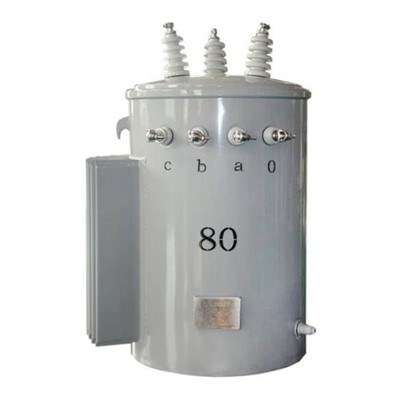
If you’re planning a project and need a transformer rated for high-humidity conditions, or you have questions about how humidity impacts your current equipment, feel free to reach out for a consultation. We’ll work with you to assess your location’s climate, your power needs, and any specific challenges, so you can choose a transformer that’s built to last.
Conventional Power Transformer References
- IEEE Std C57.12.00-2020, “Standard General Requirements for Liquid-Immersed Distribution, Power, and Regulating Transformers,” Institute of Electrical and Electronics Engineers.
- NEMA Standards Publication No. TR-1, “Transformers, Distribution, Power, and Regulating,” National Electrical Manufacturers Association.
- “Moisture Effects on Transformer Insulation Systems,” Electric Power Research Institute (EPRI), 2021.
- “Corrosion in Pad-Mounted Transformers: Causes and Mitigation,” Journal of Power Delivery, Vol. 36, No. 4, 2021.
Nantong Yawei New Energy Technology Co., Ltd.
As one of the most professional pad mounted transformer manufacturers and suppliers in China, we’re featured by quality products and good service. Please rest assured to wholesale durable pad mounted transformer made in China here from our factory. Customized orders are welcome.
Address: Room 28-101, Building 27 and 28, No.333 Kaiyuan Avenue, Sunzhuang Subdistrict, Hai’an City, Nantong City, Jiangsu Province, China
E-mail: admin@nantongyawei.com
WebSite: https://www.nantongyawei.com/
