Hey everyone, if you’ve ever sourced packaging materials, you’ve probably run into elastic kraft paper—its stretchy, tough, and way better at holding weird-shaped stuff than regular kraft, right? As someone who’s been in the elastic kraft paper game for years, I get that one of the first questions buyers ask is: “What colors even work here?” I’ve heard people guess “only brown” or “custom is impossible,” but let me spill the real tea on what’s actually available, how we nail consistent colors, and why that matters for your next project. Elastic Kraft Paper
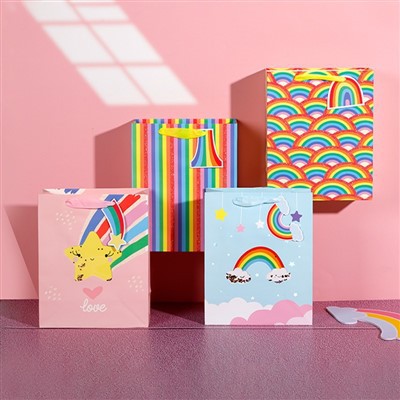
First, let’s keep it simple: elastic kraft paper isn’t the boring old kraft paper you use for kid’s crafts (though I’m all for repurposing it for that, tbh). It’s made by twisting wood pulp fibers before pressing them into sheets, so those fibers have give—stretches about 15-25% without breaking, depending on the grade. That stretch is key for things like heavy-duty packaging, pallet wrapping, moving boxes, even gift wrap for boutique brands. But color? It’s doable, it’s not a afterthought, and we’ve got way more options than most people think.
Let’s start with the basics: the standard colors that are non-negotiable for most businesses. The OG is natural kraft, that warm, earthy tan we all know. Wait, but why is that the default? It’s the base color from unbleached wood pulp—no extra chemicals added, so it’s cheaper, more sustainable, and fits that “rustic, eco-friendly” vibe everyone’s going for right now. But it’s not just one shade—we call ours “tan natural” which is a consistent light brown, not too orange, not too gray. Some other suppliers might have “deep natural” which is darker, but we keep that as a lower-grade option for bulk wrapping where exact shade doesn’t matter. Then there’s white elastic kraft paper. No, it’s not bleached like regular white kraft—we use a mild hydrogen peroxide bleach that keeps the fibers’ stretch intact, unlike harsher chlorine bleaches that make paper brittle. It’s a bright, clean white, perfect for printing logos, making it a top pick for small businesses that want that professional, crisp look without switching to plastic.
Okay, those are the basics, but what if you need colors that pop? Like, for marketing your brand, color-coding warehouse bins, or matching event decor. Let’s break down the custom color options we actually offer (and what to skip, because not all color processes work for elastic paper). The most common custom colors are the “pastel and mid-tone crew”—think baby blue, soft pink, mint green, and even a muted mustard. Here’s how we do it: we add color pigments to the pulp before it’s pressed into sheets (that’s called “mass tinting,” for anyone who’s curious). Why not add color to the surface later? Because surface coating makes the paper less stretchy—you’ll lose like 10% of its elasticity, which defeats the whole point of elastic kraft paper. Mass tinting keeps the fibers flexible, so the stretch and durability stay exactly where they need to be. We use water-based, non-toxic pigments too, so it’s safe for packaging food, which is a huge plus for our grocery and restaurant clients.
Wait, what about bolder colors? Like neon, bright red, navy blue? We can do those too, but there’s a catch. Bold hues need a higher concentration of pigment, and that can sometimes affect the stretch a little—so we adjust the pulp mix to compensate. For example, our neon yellow elastic kraft has about 5% less stretch than natural, but it’s still way stretchier than regular paper, so it’s perfect for things like high-visibility warehouse tape or party decor. We also do black elastic kraft, which is super popular for premium gift wrapping and luxury product packaging. The black is deep and even, no streaks, because we use carbon-based pigments that bond really well with the twisted pulp fibers. And here’s a pro tip: if you need very specific brand colors (like Pantone-matched for your logo), just send us the Pantone code, and we can tweak the pigment mix to get it spot-on. We do this all the time for small e-commerce brands and big retail names, so it’s doable—no need to settle for a “close enough” shade.
Now, let’s talk about what you might have heard: “Custom colors are super expensive.” Wait, not really—if you order a minimum amount, it’s actually comparable to specialized kraft paper. Our minimum for custom color orders is 500 sheets, which is doable for a small boutique or a growing e-commerce store. And if you need different colors for different batches? No problem, we can switch up the pigment mix on our machines, so you don’t have to waste space storing a ton of unused paper. That’s one of the things I love about our process—we don’t make you pay for more than you need.
Wait, but are there any limitations? Yeah, let’s be honest—you can’t get every color under the sun, and there are some tradeoffs. For example, bright neons fade a little if they’re exposed to direct sunlight for long periods, so we usually recommend them for indoor use or packaging that’s not left out in the rain. Also, very light pastel shades (like pure white vs. off-white, or super pale lavender) are a little more prone to showing stains if the paper gets wet, so if your product is going to a rainy climate, you might want to opt for a mid-tone. But those are small issues, and most people don’t run into them.
Let me give you a real example to make this concrete. Last quarter, we worked with a small plant-based baby food brand that needed custom elastic kraft pouches. They wanted a soft green that matched their logo, and they needed the pouches to stretch a little to fit different-sized jars. We used mass tinting with a mild green pigment, the stretch came out to 20% (which is perfect for pouches), and their customers went crazy for the packaging—they even posted about it on Instagram, saying it’s way better than the plastic packaging they used before. That’s the stuff that makes this job worth it.
Another example: a construction company that used our elastic kraft paper to wrap pipe fittings for shipping. They ordered bright orange elastic kraft so their workers could spot the fittings in a cluttered warehouse, and they loved that it didn’t tear when they had to stretch it around the pipes. No more lost fittings, no more damaged packages—win-win.
So, should you pick a color for your elastic kraft paper? It depends on what you need it for. If it’s just bulk wrapping or moving, natural brown is totally fine, cheap, and durable. If you’re a brand trying to stand out, go for white or a custom mid-tone. If you need visibility, go bold or neon. Just make sure you’re working with a supplier that knows how to tint pulp without ruining the stretch—too many places cut corners by surface-coating, and you end up with paper that’s not elastic at all, which is a waste of money.
Here’s the thing: elastic kraft paper isn’t just a commodity. It’s a versatile material that works for so many different projects, and color is a big part of making it work for yours. Whether you’re a small business just starting out, a warehouse manager needing durable wrapping, or a brand looking to upgrade your packaging, there’s a color that fits.
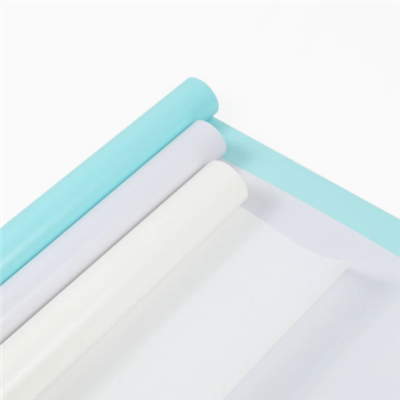
If you’re curious about samples, want to ask about a specific color, or need a quote for your next order, hit us up. We can send you free swatches of all our standard colors, and walk you through the custom process so you know exactly what to expect. No hidden fees, no weird fine print—just straight talk about elastic kraft paper colors that work for your project.
Kraft Paper for Carton Handles References:
- Technical Handbook of Paper and Paperboard, 15th Edition, TAPPI Press, 2021
- "Pigment Application Techniques for Stretchable Packaging Materials," Journal of Industrial Textiles, Vol. 48, No. 7, 2019, pp. 1123-1141
- Sustainable Packaging Guidelines for Small Businesses, Sustainable Packaging Coalition, 2022
Senzo New Material Group Co., Ltd.
As one of the most professional elastic kraft paper manufacturers and suppliers in China, we also support customized service. Please rest assured to buy high quality elastic kraft paper made in China here from our factory. For price consultation, contact us.
Address: Dongying Bonded Area, Shandong, P. R. China
E-mail: info@aonuochina.cn
WebSite: https://www.senzopaper.com/
