If you’ve ever worked with chemicals for manufacturing, water treatment, or soap making, you’ve probably heard people throw around “caustic soda” and “lye” like they’re the same thing. For folks who source these from chlor-alkali plants, though, there’s a lot more to it than just two names for the same stuff. As a supplier that’s been on the ground at chlor-alkali facilities for years, I get questions about this all the time, so let’s break it down without the stuffy textbook jargon. Chlor-alkali Plant
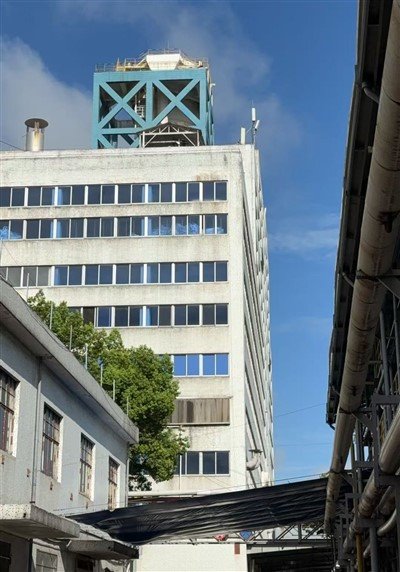
First, let’s start with what chlor-alkali plants actually make. They run an electrolysis process that splits salt (sodium chloride, NaCl) into three core products: chlorine gas, hydrogen gas, and sodium hydroxide. That sodium hydroxide is what most people know as caustic soda. But here’s the twist: “lye” is a pretty broad common name for any strong alkaline hydroxide, and depending on where your chlor-alkali process lands, the lye you get from these plants might not be 100% the same as the caustic soda you order for your line.
Let’s drill into the chlor-alkali process a little because that’s where the difference starts. There are three main cell types chlor-alkali plants use, right? Mercury cells, diaphragm cells, and membrane cells. Back in the day, mercury cells were super common for big-scale production, but they’ve fallen out of favor for most facilities now because of mercury contamination risks. Diaphragm cells were the next go-to, and membrane cells are the current standard for low-waste, high-purity output. Here’s how that ties to caustic soda vs. lye:
If your chlor-alkali plant uses a diaphragm cell, the sodium hydroxide that comes out of the process is only about 10-12% concentration, mixed with leftover salt (NaCl) and other impurities like sodium carbonate. To get that to standard “caustic soda” grade, you have to evaporate most of the water to bump the concentration up to 50% (that’s the typical commercial grade you see shipped in bulk drums or tankers), and then salt out the remaining impurities to hit a 99%+ purity rating. But some plants stop at that mid-process 10-12% sodium hydroxide mix, repackage it, and call it lye. That’s a big distinction right there—caustic soda is the purified, concentrated end product, while the lye from the same plant might be the unprocessed, lower-concentration mix you use for things like basic pH adjustment or soap making where super high purity isn’t required.
Membrane cell caustic soda, on the other hand, skips that messy salt mixing step because the membrane in the cell blocks sodium from crossing over with the chloride ions. That means the sodium hydroxide that comes out of a membrane cell is already ~30% concentration, way cleaner, and can be evaporated to 50% caustic soda with almost no extra salt removal. But even here, some smaller chlor-alkali suppliers will label their 30% membrane output as “lye” instead of caustic soda, just because it’s not the full 50% commercial grade.
Now let’s talk about what “lye” means beyond chlor-alkali plants, because that’s where a lot of confusion happens. A lot of home soap makers and small hobbyist groups will buy lye that’s made from potassium hydroxide, not sodium hydroxide, and that’s another whole product line from chlor-alkali plants. Wait, right—chlor-alkali plants can also split potassium chloride (KCl) instead of sodium chloride, producing potassium hydroxide, which is also commonly called lye. That’s why if you go to a hardware store and pick up a can of lye for drain cleaning, it’s sometimes sodium hydroxide (caustic soda) and sometimes potassium hydroxide, depending on what’s in stock. The caustic soda we supply from our chlor-alkali network is strictly sodium hydroxide, no exceptions, because it’s formulated for industrial use where consistency and purity are non-negotiable.
Let’s get into the practical stuff that matters for your operations, because this isn’t just a chemical science trivia lesson. If you’re running a food processing plant, for example, you can’t use that low-purity lye from a diaphragm cell for peeling fruit or processing olives. The FDA requires caustic soda for food use to be at least 99% pure, super low in heavy metals, and that means you need the purified 50% grade we supply, not the 12% lye mix. On the flip side, if you’re a small soap maker testing a new recipe for laundry soap, that cheaper 12% lye might work just fine for you, as long as you account for the extra water in the mix when measuring. But if you mess up the labels and use that lye in a water treatment application, the salt contamination will throw off your pH levels and corrode your pipes over time. That’s where the line between caustic soda and chlor-alkali lye stops being semantic and starts costing you real money.
I’ve seen this play out so many times over the years. A municipal water treatment plant once ordered what they thought was 50% caustic soda from a random chlor-alkali supplier, and got 15% lye instead. They thought they were getting a discount, but they ended up needing to haul twice as much volume to hit their treatment targets, and the leftover salt in the lye caused scaling in their chemical feed pumps that cost them $12k in repairs. That’s the kind of mistake you don’t make when you know the difference between caustic soda and the lye your chlor-alkali plant is producing as a byproduct of its core process.
Another big difference is handling and storage. Caustic soda, especially the 50% industrial grade, is a concentrated, corrosive product that needs to be stored in steel tanks with proper ventilation. The lye from chlor-alkali plants, especially the lower-concentration stuff, is less corrosive, but the leftover salt means you can’t mix it with some other chemicals—salt plus chlorine, which is a byproduct of the chlor-alkali process, creates dangerous gas. We’ve had clients try to mix unlabeled lye and chlorine before, and that incident shut down their plant for three days. That’s why clear labeling and knowing exactly what you’re ordering from a chlor-alkali plant is non-negotiable.
Wait, let’s also clear up a common myth: some people say caustic soda is just a higher-quality version of lye, but that’s not entirely true. There are high-purity lyes out there, especially the potassium hydroxide-based ones used for liquid soap, that are actually more expensive than standard industrial caustic soda. The difference isn’t purity alone—it’s concentration, intended use, and how it’s processed at the chlor-alkali plant. If you need a product that won’t leave salt residue, can handle high-heat manufacturing processes, and meets regulatory standards for industrial or food use, you want caustic soda. If you’re doing something where a cheaper, lower-concentration alkaline mix works, that’s the lye your chlor-alkali plant produces as a secondary output.
As a chlor-alkali supplier, we make a point to be transparent about what we’re selling, no confusing labels. We never call our 50% purified sodium hydroxide “lye” because that term is too vague for industrial buyers who need consistency. But if a small business is looking for a more affordable lye for small-batch production, we can point them to the lower-concentration output from our diaphragm cell lines, with clear notes on the impurities to watch for. That’s the kind of service we offer, not just shipping drums of chemicals but helping clients understand exactly what they’re getting.
I’ve had people ask me before why chlor-alkali plants even make both products. It’s all about efficiency. The electrolysis process that makes chlorine (the big money-maker for most chlor-alkali facilities) will always produce sodium hydroxide as a byproduct. So selling that byproduct as either concentrated caustic soda or lower-grade lye means the plant isn’t wasting energy or material on something that would otherwise go to waste. The membrane cell process gives a purer byproduct, so that’s where the higher-end caustic soda comes from, while diaphragm cell output is perfect for the lye market where purity standards are lower.
Another angle: regulatory classifications. Caustic soda, especially food-grade, is classified by agencies like the EPA and FDA as a direct food additive, as long as it meets specific purity thresholds. The lye from chlor-alkali plants that’s not purified to those levels isn’t cleared for food use, and if you use it in food processing, you could get hit with fines. That’s a big one for anyone in the food, beverage, or pharmaceutical industries—never mix up lye and caustic soda when ordering chemicals.
Let me wrap this up with what I think is the key takeaway: for anyone working with chemicals from chlor-alkali plants, caustic soda and lye aren’t just two names for the same thing. Caustic soda is the purified, concentrated, regulated end product designed for industrial, food, and critical applications. The lye from the same chlor-alkali process is often a lower-concentration, less pure byproduct, good for non-critical uses like basic cleaning or small-scale soap making, but risky for applications that demand consistency.

If you’re sourcing chemicals for your operations, don’t rely on generic labels—ask your supplier exactly what grade they’re sending, where it came from in the chlor-alkali process, and what impurities to expect. We’ve spent 10+ years figuring out how to match the right product to the right client, so if you’re looking for caustic soda for manufacturing, water treatment, or food processing, or even if you just have questions about chlor-alkali products, we’re here to help. Reach out to our team to discuss your specific needs, no pressure, just straight talk about what works for your business.
Detergent Powder Plant References
- “Chlor-Alkali Processes: Mercury, Diaphragm, and Membrane Cells” – Chemical Engineering Journal, 2021
- “Caustic Soda and Lye: Regulatory Standards for Industrial and Food Applications” – U.S. Food and Drug Administration, 2022
- “Understanding Chlor-Alkali Byproducts” – Chlorine Institute, 2020
- “Soap Making Chemistry: Sodium vs Potassium Hydroxide” – Journal of Cosmetic Science, 2019
Zhejiang Dayu Industrial Engineering Group
As one of the most professional chlor-alkali plant manufacturers and suppliers in China, we’re featured by quality products and low price. Please rest assured to buy discount chlor-alkali plant made in China here and get quotation from our factory. Customized orders are welcome.
Address: Room 1004, Building 1, Xichengji Business Building, Xihu District, Hangzhou City, Zhejiang Province
E-mail: vivian@globe-industry.com
WebSite: https://www.globe-industry.com/
