What is the insulation material of Flat Litz Wire?
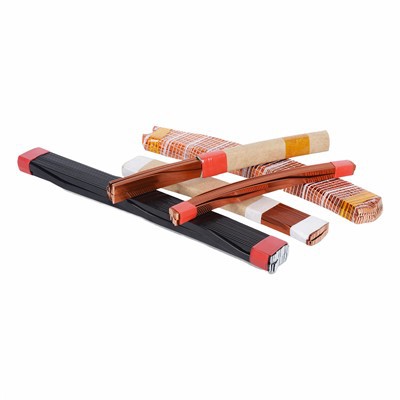
As a supplier of Flat Litz Wire, I often get questioned about the insulation materials used in these products. Understanding the insulation materials of Flat Litz Wire is crucial because they significantly affect the wire’s performance, durability, and suitability for different applications. In this blog post, I will delve into the various insulation materials commonly used for Flat Litz Wire, their properties, and their applications. Flat Litz Wire
Why Insulation is Important for Flat Litz Wire
Before we jump into the specific insulation materials, let’s first understand why insulation is so important for Flat Litz Wire. Flat Litz Wire is designed to reduce skin effect and proximity effect, which are common issues in high – frequency applications. Insulation helps to maintain the electrical separation between the individual strands in the wire. This separation ensures that the wire can effectively reduce the losses caused by these effects, improving the overall efficiency of the electrical system. Additionally, insulation provides mechanical protection to the strands, preventing them from abrasion and damage, and also enhances the wire’s resistance to environmental factors such as moisture, chemicals, and heat.
Common Insulation Materials for Flat Litz Wire
Polyurethane (PU)
Polyurethane is one of the most commonly used insulation materials for Flat Litz Wire. It offers excellent flexibility, which makes it ideal for applications where the wire needs to be bent or flexed during installation or use. PU insulation has good adhesion to the wire strands, ensuring that it does not peel off easily. It also provides a high level of electrical resistance, which helps to prevent short – circuits between the strands.
One of the key advantages of polyurethane insulation is its good resistance to abrasion. This makes Flat Litz Wire with PU insulation suitable for applications where the wire may come into contact with other components or surfaces. In addition, PU insulation has a relatively low dielectric constant, which means it can minimize the capacitive coupling between the strands, further improving the wire’s performance in high – frequency applications.
However, polyurethane insulation has some limitations. It has a relatively low thermal rating compared to some other insulation materials. This means that it may not be suitable for applications where the wire will be exposed to high temperatures for extended periods.
Polyimide (PI)
Polyimide is another popular insulation material for Flat Litz Wire, especially in high – temperature and high – performance applications. PI insulation has excellent thermal stability, with a high continuous operating temperature. It can withstand temperatures up to 220°C or even higher, depending on the specific formulation.
In addition to its high – temperature resistance, polyimide insulation offers outstanding electrical properties. It has a high dielectric strength, which means it can withstand high voltages without breaking down. This makes it suitable for applications such as high – voltage transformers and power electronics. Polyimide is also resistant to chemicals and radiation, making it a good choice for harsh environments.
The main drawback of polyimide insulation is its relatively high cost. The manufacturing process of polyimide – insulated Flat Litz Wire is more complex and expensive than that of wires with other insulation materials. Also, polyimide is less flexible than polyurethane, which may limit its use in applications where a high degree of flexibility is required.
Polyester (PET)
Polyester insulation is widely used in Flat Litz Wire due to its good balance of properties and relatively low cost. PET insulation has good mechanical strength and abrasion resistance. It can protect the wire strands from physical damage during handling and installation.
From an electrical perspective, polyester insulation has a moderate dielectric constant and good electrical insulation properties. It is suitable for a wide range of applications, including consumer electronics, automotive electronics, and general – purpose electrical equipment.
However, polyester insulation has a lower thermal rating compared to polyimide. It is typically rated for continuous operation at temperatures up to around 130°C. This means that it is not suitable for applications where high – temperature performance is required.
Polyamide – imide (PAI)
Polyamide – imide is a high – performance insulation material that combines the best features of polyimide and polyamide. PAI insulation offers excellent thermal resistance, similar to that of polyimide, with a continuous operating temperature of up to 200°C. It also has good mechanical properties, including high strength and toughness, which provides reliable protection to the wire strands.
In terms of electrical properties, polyamide – imide has a high dielectric strength and low dielectric loss. This makes it an excellent choice for high – frequency and high – voltage applications. PAI insulation also has good chemical resistance, which allows the Flat Litz Wire to be used in environments where it may be exposed to various chemicals.
The cost of polyamide – imide insulation is higher than that of polyester but lower than that of polyimide. However, its performance makes it a cost – effective solution for many high – performance applications.
Applications and the Choice of Insulation Materials
The choice of insulation material for Flat Litz Wire depends on the specific application requirements. For example:
- Consumer Electronics: In consumer electronics such as smartphones, laptops, and tablets, flexibility and cost – effectiveness are often the key considerations. Polyurethane or polyester insulation may be the preferred choice because they offer good flexibility and relatively low cost, while still providing adequate electrical insulation.
- Automotive Electronics: In automotive applications, the wire needs to withstand a wide range of temperatures and environmental conditions. Polyamide – imide or polyimide insulation may be more suitable due to their high – temperature resistance and chemical resistance.
- Power Electronics and High – Frequency Applications: For power electronics, high – voltage transformers, and high – frequency circuits, polyimide or polyamide – imide insulation is often used because of their excellent electrical properties and high – temperature performance.
Quality Control in Insulation of Flat Litz Wire
As a supplier of Flat Litz Wire, we pay great attention to the quality control of the insulation process. We ensure that the insulation material is applied evenly and consistently to the wire strands. This is achieved through strict manufacturing processes and advanced equipment.
We also conduct a series of tests on the insulated Flat Litz Wire. Electrical tests, such as insulation resistance testing and dielectric strength testing, are carried out to ensure that the wire meets the required electrical performance. Mechanical tests, including abrasion resistance testing and flexibility testing, are also performed to ensure the durability of the insulation.
Conclusion
In conclusion, the insulation material of Flat Litz Wire plays a crucial role in determining its performance, durability, and suitability for different applications. Polyurethane, polyimide, polyester, and polyamide – imide are some of the most commonly used insulation materials, each with its own unique properties and advantages.
As a professional Flat Litz Wire supplier, we are committed to providing high – quality products with the right insulation materials for our customers’ specific needs. Whether you are in the consumer electronics, automotive, or power electronics industry, we can help you select the most suitable Flat Litz Wire with appropriate insulation.
Enameled Round Wire If you are interested in purchasing Flat Litz Wire or have any questions about our products, please feel free to contact us. We are eager to discuss your requirements and provide you with the best solutions.
References
- "Handbook of Electrical Insulating Materials" by Toshikatsu Tanaka
- "Electrical and Electronic Insulation Technology" by Jinhua Wang
- Various industry reports on wire and cable insulation materials
Tianjin Jingwei Power Technology Co., Ltd.
As one of the most professional flat litz wire manufacturers and suppliers in China, we’re featured by quality products and good service. Please rest assured to buy durable flat litz wire made in China here from our factory. Contact us for more details.
Address: No.1 Chuangxin Rd. Xiaozhan Industrial Park, Jinnan District, Tianjin, China
E-mail: info@jwdc.cn
WebSite: https://www.jw-dcs.com/
