What are the differences between PP – R pipes and other types of pipes?
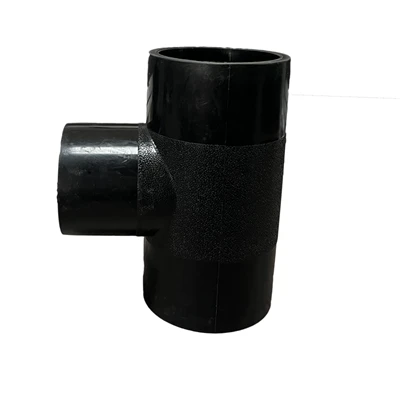
As a seasoned supplier of PP – R pipes and fittings, I’ve witnessed firsthand the diverse needs of clients in the plumbing and construction industries. Over the years, I’ve fielded numerous inquiries regarding the differences between PP – R pipes and other types of pipes. This blog aims to shed light on these differences to help you make an informed decision when choosing the right piping solution for your projects. PP-R Pipes and Fittings
1. Material Composition
PP – R, or polypropylene random copolymer, is a type of plastic used to manufacture pipes. It is made from propylene monomers with a random configuration of polymer chains. This unique molecular structure gives PP – R pipes their distinctive properties, such as high strength, flexibility, and chemical resistance.
In contrast, other types of pipes are made from various materials:
- Copper Pipes: These are crafted from pure copper or copper alloys. Copper is a naturally occurring metal known for its excellent thermal conductivity and antibacterial properties.
- PVC (Polyvinyl Chloride) Pipes: Made from a synthetic plastic polymer, PVC pipes are one of the most widely used types of pipes in plumbing. They are known for their low cost and resistance to corrosion.
- Galvanized Steel Pipes: These pipes are made of steel that has been coated with a layer of zinc to prevent rusting. They were commonly used in the past for water supply and drainage systems.
2. Cost
Cost is often a significant factor when choosing pipes for a project. PP – R pipes are generally more cost – effective than copper pipes. Copper is a precious metal, and its price is subject to market fluctuations. The manufacturing process of copper pipes is also more expensive, which further drives up the cost.
PVC pipes are typically the most affordable option in the market. They are inexpensive to produce, and their simple manufacturing process contributes to their low cost. Galvanized steel pipes fall between PP – R and PVC in terms of cost. While the steel itself is relatively inexpensive, the galvanizing process adds to the overall cost.
However, it’s important to consider the long – term cost when evaluating different pipe materials. PP – R pipes have a long service life and require minimal maintenance, which can offset their initial cost over time.
3. Installation
Installing PP – R pipes is relatively straightforward. They are joined using a heat – fusion welding process, which creates a seamless and leak – free connection. This method is simple and can be easily mastered by trained plumbers. The lightweight nature of PP – R pipes also makes them easy to handle during installation, reducing labor costs and installation time.
Copper pipes, on the other hand, require specialized skills and tools for installation. They are typically joined using soldering or compression fittings. Soldering involves heating the joint to a high temperature and applying solder to seal the connection. This process requires a high level of skill and precision to ensure a proper and leak – free joint.
PVC pipes are usually joined using solvent cement. The solvent softens the plastic, allowing the pipes to fuse together when pressed. While this method is relatively simple, it requires careful handling of the solvent, which can be toxic if not used properly.
Galvanized steel pipes are joined using threaded connections or welding. Threading the pipes requires specialized equipment, and welding is a complex process that requires trained welders. The heavy weight of galvanized steel pipes also makes them more difficult to handle during installation.
4. Durability
PP – R pipes are highly durable and have a long service life. They are resistant to corrosion, scale formation, and chemical attack, which makes them suitable for a wide range of applications, including hot and cold water supply systems. PP – R pipes can withstand high temperatures and pressures without deforming or cracking, ensuring reliable performance over time.
Copper pipes are also known for their durability. They have excellent resistance to corrosion and can last for several decades. However, copper pipes are susceptible to pitting corrosion in certain water conditions, which can lead to leaks over time.
PVC pipes are durable in most applications but are not suitable for high – temperature environments. They can become brittle over time, especially when exposed to sunlight or harsh chemicals. Galvanized steel pipes were once popular due to their durability, but the zinc coating can wear off over time, leading to rust and corrosion.
5. Environmental Impact
PP – R pipes are considered to be an environmentally friendly option. They are made from recyclable materials, and their production process consumes less energy compared to other pipe materials. Additionally, PP – R pipes do not leach harmful chemicals into the environment, which makes them a safe choice for water supply systems.
Copper pipes have a relatively high environmental impact. The mining and refining of copper require a significant amount of energy and can cause environmental damage. However, copper is a highly recyclable material, and recycled copper can be used to manufacture new pipes.
PVC pipes have a mixed environmental record. While they are made from a synthetic material, their production process involves the use of chlorine, which can be harmful to the environment. However, PVC pipes are also recyclable, and efforts are being made to reduce the environmental impact of their production.
Galvanized steel pipes have a high environmental impact due to the energy – intensive manufacturing process and the use of zinc, which is a non – renewable resource. However, steel is one of the most recycled materials in the world, and recycling can help reduce the environmental impact of galvanized steel pipes.
6. Performance in Different Applications
PP – R pipes are ideal for both hot and cold water supply systems. Their high – temperature resistance and low thermal conductivity make them suitable for transporting hot water without significant heat loss. They are also widely used in under – floor heating systems due to their flexibility and ease of installation.
Copper pipes are commonly used in high – end residential and commercial plumbing systems. Their excellent thermal conductivity makes them suitable for applications that require efficient heat transfer, such as hot water supply and heating systems.
PVC pipes are mainly used for drainage, sewerage, and irrigation systems. Their low cost and corrosion resistance make them a popular choice for these applications. However, they are not suitable for transporting hot water due to their limited temperature resistance.
Galvanized steel pipes were once widely used for water supply systems but are now less common due to the risk of corrosion. They are still used in some industrial applications where high strength and durability are required.
In conclusion, each type of pipe has its own advantages and disadvantages. When choosing between PP – R pipes and other types of pipes, it’s important to consider factors such as cost, installation, durability, environmental impact, and performance in different applications. As a supplier of PP – R pipes and fittings, I can attest to the many benefits of using PP – R pipes in plumbing and construction projects. Their cost – effectiveness, ease of installation, durability, and environmental friendliness make them a top choice for many clients.
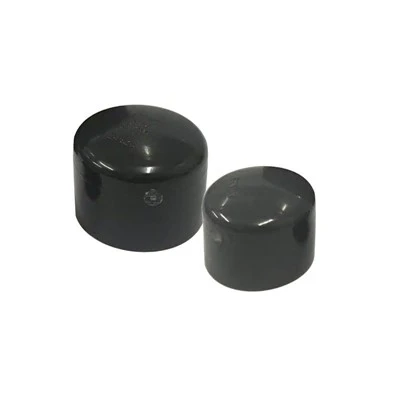
HDPE Pipes and Fittings If you are considering using PP – R pipes for your next project, I would be delighted to discuss your specific needs and provide you with the highest – quality products and professional advice. Feel free to reach out to me to start a conversation about your procurement requirements.
References
- "Plumbing Engineering: Design and Management" by M.G. Potter and J.F. McPherson.
- "Handbook of Plastic Pipes: Materials, Properties and Applications" by B. P. Singh.
- "Copper and Its Alloys" by C. J. Bettles.
Shanxi Kaisheng Plastic Co., Ltd.
Shanxi Kaisheng Plastic Co., Ltd. is one of the most professional pp-r pipes and fittings manufacturers and suppliers in China, featured by quality products and good price. Welcome to buy durable pp-r pipes and fittings made in China here and get quotation from our factory. We also accept customized orders.
Address: No. 72, Area S, Gate 1, Haohai Wumart, Fendong Street, Xiaodian District, Taiyuan City, Shanxi Province
E-mail: sxkssj8@163.com
WebSite: https://www.sxksgys.com/
