If you’ve ever stood beside a CNC drilling machine running a 10-hour production shift, you know the difference a good coolant makes. I’ve been selling and supporting CNC drilling equipment for 12 years, and I’ve seen hundreds of shops burn out tools, ruin material finishes, and even damage machine spindles all because they picked the wrong coolant. It’s not a random choice—coolant for CNC drilling isn’t just “water with some stuff in it”; it’s a carefully selected fluid designed to do three core jobs: cool the cutting zone, lubricate the tool and workpiece interface, and flush away swarf (small metal shavings) that can scratch workpieces or clog tool paths. CNC Drilling Machine

Let’s start with the basics of why drilling is different from milling or turning. When you drill a hole, the cutting edge of the drill bit is submerged deep inside the material, unlike in milling where most cutting is on the exposed edge of the tool. That means heat builds up faster and gets trapped in the flutes of the drill bit and the workpiece. If you don’t get coolant deep enough, you’re looking at overheated tool bits that dull 2x faster, or even weld the bit to the workpiece mid-cycle. That’s why the wrong coolant isn’t just an operational hassle—it’s a direct hit to your bottom line.
First, let’s break down the most common types of coolant shops reach for, and which work best for CNC drilling. The biggest categories are straight oils, soluble oils, semi-synthetic coolants, and full synthetic coolants.
Straight oil coolants, sometimes called “neat oils,” are pure mineral oil (or occasionally animal/vegetable oil) with additives like sulfur or chlorine for extreme pressure (EP) protection. I’ve used these for drilling hard materials like titanium or Inconel, where the heat is so intense that water-based coolants would evaporate before they even reach the cutting zone. The lubricity of straight oil is unbeatable here; it reduces friction so much that drill bits last 30-40% longer than they would with a water-based coolant. But there are downsides: straight oils are messy, they don’t cool well at all, and they’re a nightmare for waste disposal. Most shops don’t want to deal with the fumes or the oil sludge that builds up in the sump, especially in high-volume production where you’re changing coolant every 2-3 months. I’ve seen a shop switch from straight oil to a semi-synthetic for aluminum drilling and cut their waste disposal costs by 70%, just from not hauling 55-gallon drums of used oil out every week.
Then there are soluble oils, which are mineral oil mixed with emulsifiers that mix with water to form a milky liquid. These are the old workhorses of machining, used for decades for general purpose drilling. They’re cheap, they have good cooling ability, and the emulsified oil provides enough lubrication for most mild steels, aluminum, and even some brass. But here’s the catch for CNC drilling: soluble oils can break down fast if you don’t maintain the concentration. If you let the water evaporate, the oil separates, and you’re left with a thick, greasy mess that won’t flow deep into the drill flutes. That leads to poor swarf evacuation, which causes drill bits to break mid-hole and workpieces to get scratched. I saw a job shop a couple years ago that was running 100 steel parts a day on their CNC drill; they were using soluble oil and not checking the concentration weekly. Their drill breakage rate was 12% per shift, which cost them $1,800 a week in tooling alone. When they switched to a semi-synthetic coolant that was more stable, their breakage dropped to 2%, and they saved $1,200 a month in tooling costs.
Semi-synthetic coolants are the middle ground—they mix a small percentage of oil (usually 5-30%) with synthetic additives and emulsifiers, so they’re more stable than soluble oils but still have better cooling than straight oils. For most CNC drilling applications, semi-synthetics are my top recommendation. They work well on almost every common material: aluminum, mild steel, stainless steel, even copper. The stability means you don’t have to check the concentration every other day, and they flush swarf out much better than straight oils. I’ve helped a lot of aerospace shops that drill titanium and aluminum stacks switch to a semi-synthetic with extreme pressure additives; they get the lubricity they need for the hard titanium without the mess of straight oil, and the coolant penetrates the gap between the two metals to keep heat down. The only time semi-synthetics fall short is for very high volume drilling of extremely hard materials, like Inconel 718 for jet engine parts—for that, you still need straight oil.
Full synthetic coolants are the newest kid on the block, made with no mineral oil at all—just water and chemical additives for corrosion protection, lubrication, and biostability. They’re super cheap to make because you’re mixing 95% water with 5% additives, and they cool exceptionally well, making them popular for high-speed drilling where heat is a constant problem. But their lubricity is way lower than oils, so they only work well on soft, easy-to-machine materials like aluminum or mild steel. If you try to drill a 1/2-inch hole in hardened steel with a full synthetic coolant, you’ll break a drill bit before you get halfway through. I’ve also seen shops use synthetics for aluminum and notice a big drop in surface finish, because the low lubricity lets the swarf rub against the hole wall, leaving streaks.
Now, it’s not just the type of coolant that matters—concentration, pH level, and maintenance make a huge difference for CNC drilling. Most shops think “more is better” when they mix coolant, but that’s a myth. If you mix a semi-synthetic at 10% concentration instead of the recommended 5%, you’ll end up with a thick, sticky fluid that won’t flow deep into the drill flutes. You need exactly the right ratio: too low, and you lose corrosion protection and lubrication; too high, and you get poor swarf removal and clogged lines. pH level is another big one. Coolant needs to be in the 8.5-9.5 range to prevent machine corrosion and prevent bacteria from growing in the sump. If pH drops below 8, bacteria multiply fast, which makes the coolant smell bad, breaks down the additives, and can cause skin irritation for operators. I’ve had a lot of customers tell me their coolant smells like rotten eggs after a month of use—nine times out of ten, it’s because the pH was too low, and they didn’t add a biocide. For CNC drilling, where the coolant is constantly circulating through the machine’s lines, maintaining pH is non-negotiable. A machine with corroded lines or a clogged sump will break down faster than one with a good coolant routine.
Also, swarf management ties directly to coolant choice. When you drill, the swarf has to come out of the hole through the flutes of the drill bit. If your coolant doesn’t have enough lubricity, the swarf sticks to the bit, clogs the flutes, and you either break the bit or have to stop and clear it every few holes. With the right coolant, the swarf is slippery and flows out with the coolant stream, so you can run longer cycles. I had a customer last year who was running a 500-part run of aluminum motor housings on their CNC drill. They were using a cheap soluble oil, and they had to clear swarf every 20 parts, which took 10 minutes each time. When they switched to a semi-synthetic coolant with high flushing properties, they didn’t have to clear swarf once, and the run time dropped by 2.5 hours a shift. That’s a huge productivity gain just from picking the right coolant.
Wait, let’s talk about material-specific recommendations, because that’s where most shops go wrong. If you’re drilling aluminum, go with a semi-synthetic coolant that’s formulated for non-ferrous metals. It has additives that prevent aluminum from staining, and the low viscosity lets it flow easily to flush swarf. If you’re drilling stainless steel, you need a coolant with extreme pressure additives—either a soluble oil with EP additives or a semi-synthetic with sulfur/phosphorus additives. Stainless work hardens fast, so the coolant has to lubricate enough to prevent the edge from rubbing and hardening the surface, which leads to broken drills. For titanium and other high-temperature alloys, straight oil is still the best, but if you don’t want to deal with the waste, there are synthetic esters that mimic the lubricity of straight oil without the environmental drawbacks. For mild steel, almost any coolant works, but semi-synthetics are the middle of the road that gives good cooling and lubrication without the hassle.
I also get a lot of questions about vegetable-based coolants. They’re becoming more popular as shops look for more sustainable options. Vegetable oils have better lubricity than mineral oils, and they’re biodegradable, which makes disposal easier. But they can go rancid faster, so you need to add a better biocide, and they don’t cool as well as water-based semi-synthetics. I’ve used them for low-volume drilling of brass and aluminum, but for high-volume production, I still stick with semi-synthetics because they’re more stable and easier to maintain.
Another thing to consider: your CNC drilling machine’s specifications. Some machines are designed for high-speed drilling, with through-spindle coolant systems that push coolant directly through the center of the drill bit. If you have a through-spindle system, you can use a lower viscosity coolant that can reach the cutting zone deep inside the hole, which is perfect for semi-synthetics. If your machine only has a flood coolant system, you need a coolant that’s less likely to atomize or get blown away by the drill’s rotation. That usually means a slightly higher concentration semi-synthetic or soluble oil. I always tell customers to check their machine’s manual for coolant recommendations—manufacturers usually test coolants with their machines, so that’s a good starting point, but don’t be afraid to test a different brand if you’re not getting results.
I’ve seen so many shops write off coolant as a minor expense, but it’s actually one of the biggest factors in CNC drilling productivity. A $50 drum of semi-synthetic coolant can save you thousands a month in tooling costs and downtime. Last quarter, I worked with a customer that was operating three CNC drills, running 150 steel parts a day. They were using a cheap full synthetic coolant, and their drill bit life was only 1,200 holes per bit. They switched to a semi-synthetic with EP additives, and that number jumped to 1,800 holes per bit. Their tooling cost went down by 33%, and they didn’t have to order new drill bits every week, which saved them 2 hours a shift on tool changes. That’s a direct return on investment just from a coolant change.
Now, let’s talk about common mistakes I see shops make with CNC drilling coolant. The first is using the same coolant for every job. If you drill aluminum with a coolant formulated for titanium, you’ll get staining and poor surface finish. If you drill stainless with a coolant formulated for aluminum, you’ll get broken bits. The second mistake is not maintaining the coolant. I had a customer who changed their coolant once a year, regardless of how often they ran the machine. By the time we checked it, the pH was 7.2, full of bacteria, and the concentration was way too low. They ended up having to flush the entire sump, replace the coolant lines, and deal with rust on the machine’s spindle, which cost them $8,000 in repairs. The third mistake is skimping on coolant quality. A $20 drum of cheap coolant will cost you more in downtime and tooling than a $35 drum of a high-quality semi-synthetic.
At the end of the day, the right coolant for CNC drilling depends on three things: the material you’re drilling, your machine’s setup, and your production volume. If you’re running soft materials like aluminum or mild steel on a standard flood coolant machine, a semi-synthetic is almost always your best bet. If you’re drilling hard alloys like titanium or Inconel, go with a straight oil or synthetic ester. If you have a high-speed through-spindle system, you can push the limits of semi-synthetics for most applications.
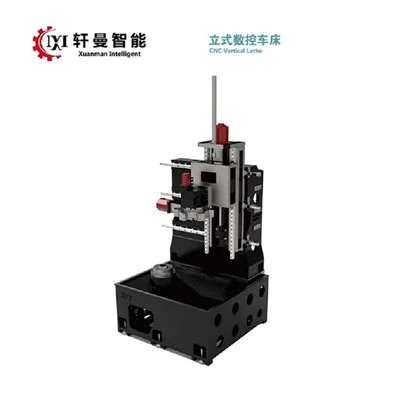
I’ve worked with hundreds of shops to match them with the right coolant for their CNC drilling operations, and the ones that take the time to get this right see a noticeable difference in tool life, part quality, and productivity. If you’re looking to upgrade your coolant or want to troubleshoot a current issue, feel free to reach out to our team to discuss your specific needs and find the right solution for your operation.
Turn Mill Center References
- Machining Data Handbook, 4th Edition, Society of Manufacturing Engineers, 2020
- “Coolant Selection for High-Speed Machining,” Journal of Manufacturing Processes, Vol. 38, 2019
- CNC Machine Tool Coolant Maintenance Guide, Association for Manufacturing Technology, 2021
- Cutting Tool Technology for Drilling Aerospace Alloys, SME Technical Paper, 2018
- Vegetable-Based Metalworking Fluids: Performance and Sustainability, Journal of Cleaner Production, Vol. 142, 2017
Jiangsu Xuanman Intelligent Equipment Co., Ltd.
As one of the most professional CNC drilling machine manufacturers in China, we’re featured by quality products and low price. Please rest assured to buy discount CNC drilling machine made in China here from our factory. Customized orders are welcome.
Address: No.1-1, Weier Road, Jieji Equipment Manufacturing Industrial Park, Sihong County, Suqian City, Jiangsu Province, China
E-mail: jsxmzn@163.com
WebSite: https://www.xm-machs.com/
