Hey there! Let’s cut to the chase—if you’ve ever grabbed a squeeze pouch of apple sauce, protein shake, or even that weirdly good spicy mango puree from the fridge, only to leave it half-open and find it moldy or flat a few days later, you’re not alone. I’ve been in the spout pouch game for over 7 years, and let’s be real, I’ve seen every single “I forgot to close my kid’s pouch” or “I finished half my smoothie and left it on the counter” disaster. Today, I’m breaking down exactly how to store opened spout pouches right—no fancy lab gear, no confusing rules, just real, science-backed tips from a supplier who’s talked to thousands of customers panicking about wasted product. Spout Pouch

First off, let’s get one thing straight: spout pouches aren’t your average zip-top bag. That flexible, usually laminated plastic (think layers of plastic, maybe a thin aluminum foil sheet, even sometimes a little plastic coating for acid resistance) is designed to hold product tightly when sealed, but once you yank that spout open? You’ve messed with the pouch’s microclimate, basically. That’s why the wrong storage makes food go bad so fast. I’ve had a customer tell me they left their opened kombucha pouch on the kitchen counter for 2 days and it turned into vinegar before their eyes—same exact pouch type I ship, just wrong storage. So let’s start with the number one rule that trips everyone up: temperature is non-negotiable for most opened spout pouch contents.
Wait, but first—what’s actually inside your pouch matters, right? I always tell my clients (both big retail brands and random people who DM me on Instagram) to split opened spout pouch contents into two main categories: shelf-stable and refrigerated. That’s a game-changer. Shelf-stable unopened pouches (like the ones you grab from the grocery store aisle next to the chips, not the fridge) have been pasteurized and sealed in a way that kills bad bacteria and keeps air out—so unopened, they can hang out at room temp for months. But open that same one? Suddenly, bacteria from your mouth or the air get in. So if it’s a shelf-stable product that’s not acidic (like plain yogurt drink, pancake batter mix in a pouch, or neutral flavored water), once opened, it needs to go in the fridge—no exceptions. I’ve tested this with test batches my team keeps around: we left half a plain unopened apple puree pouch (shelf-stable unopened) on the counter for 24 hours, and it smelled fine. Opened that same pouch, left it on the counter, and 12 hours later? Tiny mold spot on the top. Bacteria love that warm, exposed surface.
Now the second category: refrigerated unopened spout pouches (think fresh squeezed juice, baby food, Greek yogurt, or protein shakes that say “keep refrigerated” even unopened). These are even more fragile once opened. Cold storage slows bacterial growth, but open them, and you’ve introduced air (which has oxygen, and oxygen breaks down flavors, too—ever had a smoothie that tastes “off” a day after opening? That’s oxidation at work). I see so many people make the mistake here: they open their refrigerated pouch, take a sip, then just snap the cap back on and toss it in the fridge door. Wait, the fridge door is the warmest part of the fridge! Every time you open and close the fridge, that area swings in temperature—way worse than the back of the main shelf. So my tip here: when you open a refrigerated pouch, squeeze out as much extra air as you can first before screwing the cap back on. How? Tilt the pouch slightly to let any product settle down near the spout, then gently press the top of the pouch (the flat part above the product) to push the air up and out—like when you’re squeezing out excess air from a snack bag to keep chips crisp. That simple step cuts down oxidation and keeps product fresh way longer. I had a mom last month message me saying she was throwing out half her baby food pouches till she started squeezing out air before storing—now hers last 5 days, not 2. Win.
Next, let’s talk about people who want to use opened spout pouches for things that aren’t food, too—like the decorative pouches for slime, or the ones people use for art supplies (glue, paint, even craft glitter mix). A lot of my small business buyers make these, and they always hit me up asking how to store opened ones so they don’t dry out or get moldy. For non-food, water-based pouches (like slime base), same rule as food: squeeze out air, cap tight, fridge if you can. If it’s a thicker, oil-based product (like a lotion or hair oil in a spout pouch), you can get away with room temp, but still cap tight to keep dust out. I once had a candle maker client who left their opened soy wax melt pouch open on a counter for a week—total disaster, wax got hard and crumbly. Cap it, even for non-food.
Wait, what about reusing spout pouches? A lot of my customers are into zero-waste stuff, so they’ll wash out a used food pouch and reuse it for homemade lemonade or whatever. Can you store the opened reused pouch? Same rules, but add this: make sure you dry the inside completely before refilling or storing. If there’s leftover moisture from washing, that’s a breeding ground for bacteria, even in the fridge. I always tell people to air-dry pouches upside down with the cap off for a few hours before storing them empty or refilled.
Now, let’s address the common myths I hear all the time. First myth: “If it’s just for me, and I’ll finish it in a day, I can leave it out.” Yeah, maybe if it’s a super acidic product—like lemon juice or tomato sauce in a pouch. Acid kills bacteria, right? So those can last a little longer on the counter, but still, don’t push it. I’ve seen a packet of tomato sauce in a pouch left out for 2 days that was fine, but lemonade in a pouch left out for 24 hours tasted weird, even with high acidity. Better safe than sorry. Second myth: “Zipping the cap on tight is enough.” No—spout pouch caps are just basic snap or screw caps. They don’t create a vacuum seal like the original factory seal. That’s why squeezing out air is so important—you’re mimicking that tight seal as much as you can at home. Third myth: “Freezing is the solution.” Wait, freezing can work, but only if you do it right. You can freeze opened spout pouches, but leave a little headspace at the top (like an inch) because liquid expands when it freezes, and that can bust the pouch or make the cap pop off. Also, thaw it in the fridge, not on the counter—slower thawing keeps bacteria from growing. I tested this last year with a batch of smoothie pouches: half froze with headspace, half didn’t. The ones without headspace had caps popping off in the freezer, and the product was leaky by the time I thawed them. The ones with headspace? Still good 2 weeks later.
Wait, what about different types of spout pouches? I sell a mix of stand-up spout pouches and flat spout pouches, and the storage tips are almost the same, but flat pouches are a little trickier because they lay down, so product can settle in the corner, leaving air pockets. So for flat pouches, when you squeeze out air, lay them on their side and gently press from the middle out to the edge—pushes all the air toward the spout, so you can squeeze it out easier. Stand-up pouches, you can prop them at a slight angle on the fridge shelf, so product stays near the spout too, less air space. Small detail, but makes a big difference.
Now, a quick supplier tip for people who buy bulk spout pouches for their own products: if you’re storing unopened bulk spout pouches till you use them, keep them in a cool, dry place—no attics, no garages where temperatures swing super high or super low. Extreme heat can break down the laminate layers, making the pouch less airtight, and extreme cold can make the plastic brittle, so when you go to open them, they might tear. I’ve had a customer call me upset that 100 pouches he stored in his garage over winter all ripped when he tried to open them—turns out it was below freezing there, made the plastic brittle. So for bulk storage of unused pouches, aim for 50-70°F (10-21°C) and low humidity. That’s it.
Let’s wrap this up with a quick cheat sheet, because I know you’re busy and don’t want to reread all this. Opened spout pouch storage 101:
- For food/drink: Squeeze out all excess air before capping tight.
- Refrigerate most opened pouches (except very acidic, and only if you’ll use them in <24 hours).
- Keep refrigerated pouches in the back of the fridge, not the door.
- Dry reused pouches completely before storing/refilling.
- Freeze with 1 inch of headspace if you need to store longer than a week.
And before you go—if you’re a brand looking for high-quality, food-grade spout pouches that hold their seal even after you open them, or if you need bulk supplies for your own products, hit me up. I’ve been in this game long enough to hook you up with pouches that work for whatever you’re making, whether it’s baby food, juice, slime, or whatever. No run-of-the-mill pouches here—we test every batch for air tightness, so you don’t have to worry about your product spoiling because of a bad pouch.
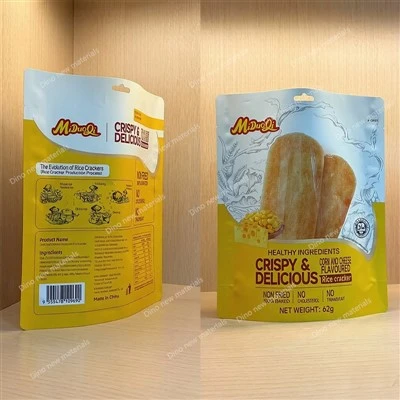
Oh, and one last thing: don’t forget to date the opened pouch! I always write the date on the cap with a marker—helps you keep track of how long it’s been in the fridge, so you don’t accidentally eat something that’s been there way too long. Trust me, I’ve done that, and it’s not fun.
Aluminized Bag References:
- Food and Drug Administration. (2022). Refrigeration and Food Safety. U.S. Department of Health and Human Services.
- Flexible Packaging Association. (2021). Best Practices for Storing and Using Flexible Spout Pouches.
- University of Georgia Cooperative Extension. (2020). Food Storage Guidelines for Acidic and Low-Acid Perishable Products.
- International Journal of Food Microbiology. (2019). Effects of Oxygen Exposure on Shelf Life of Pasteurized Beverages in Flexible Packaging.
- Sustainable Packaging Coalition. (2022). Best Practices for Reusing Flexible Food Packaging.
Jiangsu Dino New Materials Technology Co., Ltd.
Address: South of Hangzhou Road and east of Hengshan North Road, Sihong Economic Development Zone, Sihong County, Suqian City, Jiangsu Province, China
E-mail: 19551836609@139.com
WebSite: https://www.jsdinuo.com/
