If you’re reading this, chances are you’ve grabbed a thermometer at least once in the last few years—whether for a sick kid at 2 a.m., a workplace temperature screening, or keeping track of a chronic health condition. As a thermometer supplier, I’ve spent the last 12 years working with hundreds of customers, from home caregivers to clinic managers, and the number one question I get isn’t about which thermometer to buy—it’s about how to use it correctly. It makes total sense: a reading that’s off by even a degree can lead to unnecessary panic, skipped work, or wrong health decisions. Today, I’m pulling back the curtain on what actually works, ditching the confusing “one-size-fits-all” advice, and sharing the step-by-step best practices I’ve learned from working with real users every day. Thermometers

First, let’s start with the basics that most people skip: not all thermometers are made the same, and the “right” way to use one depends entirely on the type you’re holding. I still remember a customer who emailed me last winter, frustrated because their new forehead thermometer was giving a 101°F reading every time, but their old oral glass one said 98.6°F. Turns out, they’d been holding the forehead thermometer under their tongue, which is the worst place to use an infrared device. That mix-up alone is why it’s critical to match your technique to your tool. Let’s break down the four most common thermometer types and their specific rules, because cutting corners here is where errors start.
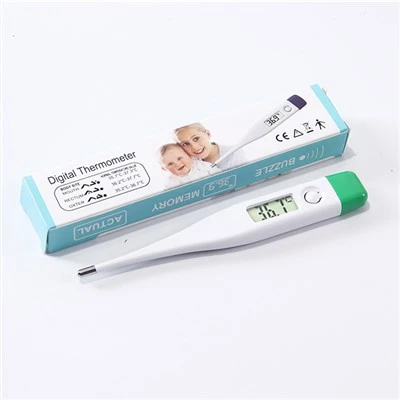
Oral thermometers—whether the classic glass mercury ones (though these are mostly phased out in the U.S. and many other countries) or modern digital oral thermometers—are designed for use in the mouth. Wait, no, that’s not totally true: modern digital oral thermometers can technically be used for underarm or rectal readings, but that ruins their precision, which is why they’re labeled oral. For oral use, the steps are simple but non-negotiable: first, wait at least 15 minutes after you eat, drink, or smoke. Hot coffee or a cold soda can skew your reading by a full degree, and people always forget that. Next, put the tip of the thermometer under the middle of your tongue, close your lips tightly around it—don’t bite down, that can crack the tip and give a random, high reading. For digital oral thermometers, hold it in place until it beeps, then wait another 10 seconds (the beep is a trigger, but it takes that extra time to register the stable temperature). For glass ones, hold for three minutes, and never use a glass oral thermometer rectally—they have thinner tips that can break easily. I always tell people: if you’re using an oral thermometer on a child under four, skip this method. Kids can’t hold still enough, and their mouths move too much, leading to inaccurate readings. That’s why oral thermometers have a recommended age range, which most people ignore.
Next, rectal thermometers—these are the gold standard for infants under three months, and for good reason. Rectal temperature is the most accurate core body temperature, and for tiny babies, it’s far less invasive than other methods if you do it right. Let’s get this part straight: there’s no shame in using a rectal thermometer for a baby, and it’s the method doctors recommend for newborns because it catches fevers earlier. The rules here are: always use a dedicated rectal thermometer—don’t double up an oral one. Before use, wash the tip with soap and warm water, or use a sanitizing wipe (we include these with every bulk order for clinics, because cross-contamination is a real risk). Then, lubricate the tip with a little petroleum jelly—baby oil works too, but petroleum jelly is more stable. Lay the baby on their back, lift their legs up to their chest, and gently insert the tip no more than half an inch (about 1.25 cm) into their rectum. Hold the thermometer in place the entire time—babies squirm, and if it slips out, you’ll get a wrong reading, or worse, hurt them. For digital rectal thermometers, it takes 30 to 60 seconds to get a reading; never leave it in longer than that. After use, clean it thoroughly with disinfectant before putting it away. I once had a mom email me saying she got a weird reading because she used her teen’s oral thermometer on her newborn—she didn’t realize the tip size was different, and it didn’t insert far enough. That’s the kind of small mistake that adds up.
Now, the ones everyone loves for convenience: forehead (temporal artery) thermometers and ear (tympanic membrane) thermometers. These are the go-tos for busy parents, office screeners, and anyone who hates waiting for a beep. But they’re also the most misused, because people think they’re “one-and-done.” Let’s start with ear thermometers: the key here is the ear canal shape. If you don’t pull the ear correctly, the infrared sensor can’t reach the tympanic membrane, and you’ll get a reading that’s too low. For adults, pull the ear back and up. For kids under three, pull the ear back and down—their ear canals are smaller and more horizontal, so pulling down straightens the canal to let the sensor get a clear reading. Also, never use an ear thermometer right after someone has been outside in cold weather, or after a hot shower. The temperature of the ear canal itself is skewed, not the core body temperature, leading to false lows. For forehead thermometers, the same rule applies: the skin temperature on the forehead can change based on environment. Before using, wait five minutes after someone has been outside, sweating, or wearing a hat. Hold the thermometer flat against the forehead, right between the hairline and eyebrow, and press the button once—don’t sweep it back and forth, that doesn’t work. Some forehead thermometers have a mode for use under the arm, but that’s a secondary function, not the primary purpose. I always tell bulk buyers: if your team is using forehead thermometers for workplace screenings, have them do one sweep over unclothed foreheads, no hats, no headbands—even a thin headband can block the infrared signal. A client at a school district told me last year that their screening process was flagging 20 kids a day as having fevers, until we realized their staff was using forehead thermometers on kids wearing fleece hats indoors. Removing the hats cut false positives by 80%—that’s how big these small details are.
Finally, underarm (axillary) thermometers. These are the safest for kids over three, and great for quick checks, but they’re the least accurate of all the common methods. The underarm measures skin temperature, not core, so readings are usually 0.5 to 1 degree lower than actual fever. That’s not a flaw in the thermometer—it’s a limitation of the method. If you use an underarm thermometer, make sure the arm is pressed tightly against the body, no gaps, and leave it in place for five full minutes. Don’t use it right after a bath or after the person has been running around—wait 10 minutes for their body to settle. I never recommend underarm thermometers for diagnosing a fever, but they’re perfect for a quick check before bed, or for monitoring small changes when you’re already at home.
Now, beyond the type of thermometer, there are universal tips that apply to every single one, that most guides leave out. First, calibration. Thermometers aren’t set-it-and-forget-it tools. For digital thermometers, you can test their accuracy with the ice water method at home, no fancy lab equipment needed. Here’s how: fill a glass with crushed ice, then add cold water, stir it up, and let it sit for three minutes. Dip the tip of the thermometer into the water, making sure it’s submerged, and wait for the reading. It should be between 32°F and 34°F (0°C and 1.1°C)—if it’s off by more than a degree, it’s time to calibrate or replace it. For bulk orders, we always include a quick calibration guide, because even high-quality thermometers can drift over time with regular use. Second, cleaning. I can’t stress this enough, especially right now. After every use, wipe the tip of your thermometer with an alcohol wipe or mild soap and water. Never submerge a digital thermometer in water unless it’s labeled water-resistant—water can get into the battery compartment and break it. Cross-contamination is a real risk, especially if multiple people are using the same thermometer. Last year, a nursing home called me because they had a patient pick up a cold from a shared thermometer—they’d only wiped it with a tissue, not sanitized it properly. A $0.20 alcohol wipe is worth every penny. Third, timing. Rushing a reading is the number one mistake I see. For oral or rectal thermometers, don’t take a reading in the first minute—wait until the beep, then wait 10 more seconds. For ear or forehead, wait two seconds after pressing the button to make sure the sensor has captured the full reading. Even a two-second delay can make a difference.
Wait, let’s talk about the common myths that still circulate online, because they cause more problems than they solve. The first is “normal body temperature is 98.6°F.” That’s the old average from 19th century studies, and it’s not accurate for most people. A normal body temperature ranges from 97.8°F to 99.1°F (36.5°C to 37.3°C), and it varies by person, by time of day (it’s lower in the morning, higher in the evening), and even by what you ate for lunch. So a reading of 98.6°F isn’t the magic number—what matters is your baseline. If you usually run a normal temperature of 97.8°F, a reading of 99°F is a fever for you. The second myth is “you can’t take a fever if you have a cold drink.” We already covered waiting 15 minutes, but if you’re in a pinch, a cold drink that’s just a little cool (like water from the fridge) won’t skew your reading by a full degree—only hot or very cold drinks do. The third myth is “glass thermometers are more accurate than digital ones.” Modern digital thermometers have precision within 0.1°F, which is way more accurate than old glass ones, and they’re safer too. No broken glass, no mercury exposure— that’s a win-win.
As someone who’s been in this industry for over a decade, I’ve seen how a bad thermometer reading can lead to unnecessary stress. I’ve talked to parents who kept a kid home from school for three days because a forehead thermometer gave a false high reading, and I’ve talked to clinic managers who adjusted their entire patient schedule because an untrained screener was using ear thermometers wrong. That’s why we design our thermometers with these use cases in mind, and why we work with schools, clinics, and families to make sure they get it right. If you’re a parent wondering which thermometer to pick for your toddler, or a clinic manager needing bulk thermometers with clear instruction guides, or even a home user who’s tired of getting inconsistent readings, we’re here to help. Correct temperature readings aren’t rocket science—they’re just about matching the right tool to the right method, and taking the small, intentional steps that most people skip.
If you have questions about which thermometer is best for your needs, or want to learn more about proper use, don’t hesitate to reach out for a consultation. We offer free technical support for all bulk orders, and we’re always happy to walk through specific use cases, from newborn care to workplace screenings. Getting a fever reading right matters, and it’s something everyone deserves to do well.
Nebulizer Accessories References
- American Academy of Pediatrics. (2023). Guide to Taking Your Child’s Temperature. Retrieved from pediatric official clinical resources
- Centers for Disease Control and Prevention (CDC). (2022). Thermometer Use and Accuracy for Home and Clinical Settings. Retrieved from public health guidance documents
- International Organization for Standardization (ISO). (2021). Medical Thermometers for Human Body Temperature Measurement. Retrieved from international healthcare device standards
- National Health Service (NHS). (2023). How to Take an Accurate Temperature. Retrieved from patient care guidance resources
Yiwu Trump Medical Products Co., Ltd.
As one of the most professional thermometers manufacturers and suppliers in China, we’re featured by quality products and good service. Please rest assured to wholesale advanced thermometers made in China here from our factory. We also accept customized orders.
Address: Room 428-429, 4th Floor of Comprehensive Building of Hetianxia E-commerce Park, No.16 Pinghu Road, Jiangdong Street, Yiwu City, 322000 Zhejiang Province, China
E-mail: sales01@trumpmedi.com
WebSite: https://www.trumpmedisupply.com/
