Hey guys, let’s cut to the chase today because I get this question ALL the time from friends, customers, even random folks sliding into our DMs: “Do freeze-dried fruits actually have less water than fresh ones?” And as a freeze-dried fruit supplier who’s been in this game for like 7 years now, I’ve seen so much misinformation floating around online about this. Half the time people mix up freeze-drying with dehydrating, or just guess based on how crunchy the stuff is. Let’s break this down like we’re chatting over coffee, no boring jargon—promise. Freeze-Dried Fruits
First, let’s start with what water content even means here, right? Fresh fruits are basically just water + fiber + natural sugars, vitamins, that stuff. Take a strawberry, for example: I literally just grabbed a punnet from the break room here, and a quick check of the USDA’s data says fresh strawberries are around 91% water. That’s wild—almost all of it is water. An apple? Like 86% water. Bananas? Still around 75% even when they’re ripe. Makes sense, fruits are nature’s little water bottles with a side of nutrients.
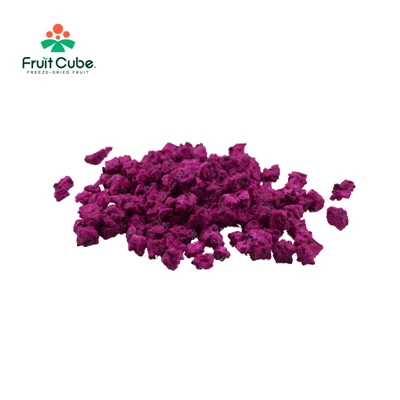
Now, freeze-drying vs. regular dehydrating—this is where most people mess up. I’ve had customers ask for “dehydrated” mangoes but ask for freeze-dried because they saw a reel somewhere. Dehydrating works by heating the fruit to evaporate water, right? That can get the water content down to like 10-15% maybe? But freeze-drying? It’s a whole different process. It’s not just heating; it’s using freezing temperatures and vacuum pressure to turn the water in the fruit straight from ice to vapor, no melting in between. That’s called sublimation, if you want the fancy term, but I just think of it as “pulling the water out without cooking the fruit.” And here’s the kicker: freeze-drying gets the water content way lower than regular dehydrating. Like, usually around 1-3% water left. Let me confirm that—yeah, that’s the number from the food science sources I reference when we’re testing our own batches. Our freeze-dried strawberries, for example, are like 2% water. Compare that to fresh’s 91%—that’s a huge difference. No wonder they’re so light and crunchy, they’re basically just the “solid” good stuff from the fruit.
Wait, but hold on—why does that even matter? I get that you might be thinking, “Ok, so it has less water, big deal.” But less water means two super important things for us as a supplier and for you as a buyer: longer shelf life, and way more nutrient retention. When there’s less water, bacteria and mold can’t grow, right? That’s why fresh fruits go bad in a week, but our freeze-dried stuff can last for like a year in a sealed bag without any preservatives. We’ve had test batches that we kept for 18 months, and they still tasted exactly like the fresh fruit we started with. And because we don’t heat the fruit during freeze-drying, we don’t kill off the vitamins like B and C, or the natural antioxidants. A lot of people say “freeze-dried is just empty sugar” but no—if anything, because the water’s gone, the nutrients are concentrated. One serving of our freeze-dried blueberries has like 5x the antioxidants of a cup of fresh blueberries. That’s not hype, that’s from lab tests we do when we’re checking our product quality.
But let’s address the common myths, because I know they’re out there. Some people think freeze-dried fruits have the same water content as fresh ones, which just doesn’t make sense—how would a strawberry that’s 90% lighter than a fresh one have the same water? Others think “all dried fruits have low water,” which is true, but freeze-dried is way lower than even other dried options. Like, regular dried cranberries you get at the grocery store are around 20-25% water—way higher than our freeze-dried cranberries at 1.5% water. That’s a huge gap. I’ve had a customer who used to buy those regular dried cranberries for their trail mix, and when they switched to ours, they didn’t have to throw out half the bag because they went moldy after a month. Game changer for their small business.
Another thing I love about freeze-dried fruits is that they rehydrate back to almost the fresh version if you want. We get so many people who use them for baking, or to add to oatmeal, or even as a quick snack for kids because they’re no mess. If you soak a freeze-dried strawberry in water for a minute, it plumps right up to look like the fresh one you had last week. That’s because all the structure of the fruit stays intact when you freeze-dry it—unlike dehydrating, which can make the fruit shrink and get leathery. So the low water content doesn’t just make it shelf-stable; it makes it super versatile.
Now, let’s talk about how we make sure we’re not cutting corners here. As a supplier, we test every single batch for water content. We use a simple (but accurate) moisture analyzer that gives us a number right away, so we know we’re hitting that 1-3% mark every time. A lot of smaller suppliers might skip this, or use old equipment, which can leave more water in the product. That’s why if you’re buying freeze-dried fruits, you should check for a company that tests their moisture content—otherwise, you might be getting something that’s barely different from regular dried fruit. Our moisture levels are consistent, too—we’ve been doing this for years, so every batch of freeze-dried mango we send out is the same low water content as the last one.
Wait, let’s get back to the original question to wrap this up clearly. Fresh fruits have water content ranging from like 70% (bananas, avocados) up to 95% (watermelon, grapes). Freeze-dried fruits? They’re between 1% and 3% water. So yeah, that’s way lower. I’ve heard someone argue that “wait, when you freeze-dry, you’re not removing all water?” That’s true—you can’t get every last drop, but the amount left is negligible for shelf life and nutrition. If you’re keeping track of water intake, freeze-dried fruits are basically zero in that regard, whereas fresh ones are mostly water.
I know a lot of people are starting to look for better, longer-lasting snacks, especially with how expensive fresh produce is these days, and how often it goes bad before you can eat it all. That’s where our freeze-dried fruits come in—we source fresh, ripe fruits when they’re in season, freeze-dry them right away to lock in the flavor and nutrients, and ship them out with that super low water content so they last for months. We’ve worked with cafes, trail mix companies, even mom-and-pop snack shops, and the feedback is always that our product doesn’t go to waste like other dried options.
If you’re a buyer or someone looking to source freeze-dried fruits for your business, or even just for personal use, feel free to reach out to us to chat more. We can send over sample batches, talk about bulk pricing, or answer any other questions you have about our process, water content, or anything else. We’re all about being transparent, so you’ll get straight answers from someone who actually works with the product every day, not a sales script.
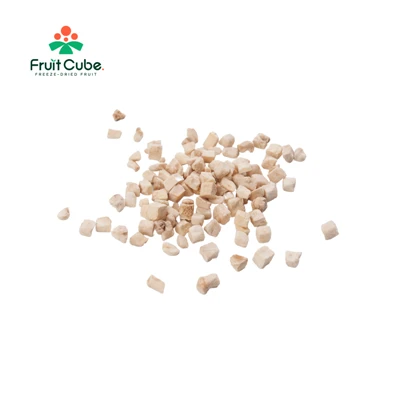
At the end of the day, the short answer is yes—freeze-dried fruits have way lower water content than fresh fruits, and that difference makes a huge difference in how long they last, how nutritious they are, and how versatile they are to use. It’s not just a marketing gimmick; it’s a science-backed process that we’ve perfected over the years to make a product people can trust.
Freeze-Dried Fruits References:
- U.S. Department of Agriculture (USDA). FoodData Central: Fruit Nutrient Content.
- Fellows, P. J. (2017). Food Processing Technology: Principles and Practice. Woodhead Publishing.
- International Freeze-Dried Food Association. (2022). Quality Standards for Freeze-Dried Agricultural Products.
Fruit Cube (Shandong) Food Technology Co., Ltd.
As one of the most professional freeze-dried fruits manufacturers and suppliers in China, we’re featured by quality products and good service. Please rest assured to wholesale bulk freeze-dried fruits for sale here from our factory. For price consultation, contact us.
Address: Room 1001, Building 2, Dongyi Cultural and Creative Park, Yihe New District, Linyi City, Shandong Province
E-mail: sales@freezedried-fruit.com
WebSite: https://www.freezedried-fruit.com/
