If you’ve ever walked past an industrial plant, a refinery, or a power generation facility, you might have spotted the curved, metal joints that link rigid pipes in tight spaces. Those are high pressure fittings elbows, and for years, I’ve supplied them directly to teams that keep critical industrial operations running. A lot of people ask me: “What are these elbows even for?” It’s a fair question—most folks don’t stop to wonder about the tiny, specialized parts that make fluid and gas movement possible. The truth is, high pressure elbows aren’t just random curved pieces; they’re precision-engineered components designed to handle extreme stress, and their uses go far beyond just turning a pipe’s direction. Let me break this down like I do with every customer who reaches out, no fancy jargon, just the real-world, practical reasons these fittings matter so much. High Pressure Fittings Elbow
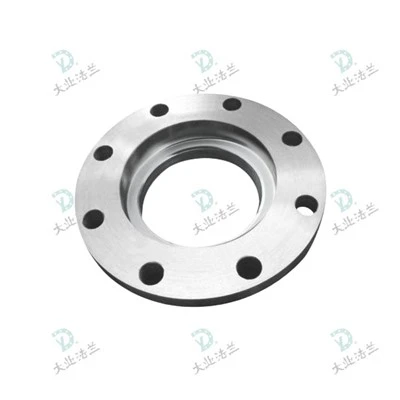
First, let’s start with the basics to set context. High pressure fittings elbows are pipe joints with a curved bend (usually 90 degrees or 45 degrees, though 180-degree return elbows are common too) built explicitly for systems operating at pressures higher than standard industrial piping. Unlike regular pipe elbows, which are made for low-pressure water lines or residential plumbing, our elbows are forged from materials like carbon steel, stainless steel, alloy steel, or even specialized alloys like Inconel, depending on what they’re moving. That strength is non-negotiable—if a pipe carrying 1,500 PSI of hot gas shifts even a little, a weak elbow can crack, leak, or burst, which can shut down operations for days, or worse, create a safety hazard.
The most common use case I see, hands down, is in oil and gas exploration and refining. When oil is pulled from deep wells, it’s not the smooth, liquid product you buy at the gas station—it’s a mix of crude oil, natural gas, water, and even solid sediment, moving at pressures that can hit 10,000 PSI or more. The pipeline that brings this mix from the wellhead to a processing plant has to wind through rugged terrain, around mountains, and across rough ground. At every turn, we supply high pressure elbows to redirect that heavy, high-pressure fluid without putting too much stress on the pipe itself. Refineries also rely heavily on these elbows inside their distillation towers, where crude oil is heated and separated into gasoline, diesel, and other products. The towers have a maze of pipes that turn 90 degrees to move hot, volatile gases from one stage of processing to the next. If an elbow here fails, it can lead to not just production delays, but dangerous releases of flammable material. I had a customer last year tell me their old, generic elbows kept leaking at the bend because they couldn’t handle the constant thermal expansion from the hot gases—swapping them for our forged high pressure elbows fixed the issue immediately. That’s the kind of impact these parts have; they’re not just components, they’re workhorses keeping $100M+ facilities running.
Next up, power generation, specifically thermal power plants. Most people picture coal or natural gas plants as big smokestacks and turbines, but they don’t often think about the piping that feeds steam to those turbines. Steam is generated in boilers at pressures up to 3,500 PSI and temperatures over 1,000°F, and it has to travel from the boiler to the turbine efficiently. The pipes here have to turn multiple corners to fit the plant’s layout, and every bend is a point where pressure can cause stress if the fitting isn’t up to par. High pressure elbows are used here to redirect steam lines, link different sections of the boiler, and even connect feedwater pumps that move water back to the boiler after it’s condensed. Renewable energy plants, too, use these elbows—geothermal power plants pull hot water and steam from underground, often at 500 PSI or more, and the pipes that carry this to the turbine need elbows that can handle both the high pressure and the corrosive minerals in geothermal fluid. A few years back, I worked with a geothermal plant in Nevada that was dealing with frequent corrosion on their elbows from the mineral-rich water; we supplied them with 316L stainless steel elbows, which resisted corrosion far better than their old carbon steel ones, cutting their replacement costs by 70% in just a year. That’s another key point about our elbows: we customize material and grade to the specific application, not one-size-fits-all.
Another critical use I encounter daily is in hydraulic systems for heavy machinery. Construction equipment, mining trucks, agricultural harvesters—all of these rely on hydraulic systems that use high-pressure fluid (usually oil, at pressures up to 5,000 PSI) to power lifts, diggers, and other moving parts. The hydraulic lines in these machines have to bend to fit around the vehicle’s frame, engine, and other components, and the elbows here have to withstand not just high pressure, but constant vibration from rough terrain. Mining equipment, in particular, operates in some of the harshest environments on Earth—dusty, noisy, vibrating nonstop. The elbows on their hydraulic lines don’t just turn a corner; they absorb the constant stress of the machine’s movement, ensuring that hydraulic power is delivered reliably every time a miner needs to operate a drill or a conveyor. I had a mining customer in South Dakota a couple of years ago who was having their hydraulic elbows fail every 3 months because they were using fittings designed for lower pressure. Swapping to our heavy-duty high pressure elbows meant they went 18 months without a failure, a huge win for their uptime and maintenance budget.
One use that’s often overlooked is in aerospace and defense systems, especially in aircraft and spacecraft. Aircraft fuel systems, for example, operate at high pressure to move fuel from the tanks to the engines, and the pipes have to navigate tight spaces in the wings and fuselage. Spacecraft, meanwhile, use high pressure elbows in their propulsion systems, where fuel and oxidizer are stored and moved at pressures that can reach 10,000 PSI. These elbows have to be not just strong, but lightweight—since every pound matters in aerospace. That’s why we supply specialized high pressure elbows made from lightweight, high-strength alloys like titanium or aluminum for these applications. A few of my aerospace customers have told me that a leaking elbow mid-flight is a non-negotiable risk, so they rely on our fittings to meet strict industry standards and perform flawlessly. Even in medical devices? Wait, yes—some high-pressure fluid systems in medical equipment, like dialysis machines or sterilization equipment, use small high pressure elbows to handle fluid at controlled high pressures. It’s a smaller application, but it’s just as critical— a failure in a dialysis machine’s system can be life-threatening for a patient, so the elbows here have to meet the same rigorous quality checks as any other high-pressure component.
Now, let’s talk about what makes a high pressure elbow different from a regular one, because that’s why they work for these demanding uses. Forged high pressure elbows (the kind we supply) are made by heating a solid piece of metal and shaping it into the bent form under extreme pressure, rather than cutting a bend into a pipe and welding it. Welded elbows can have weak points at the weld seam, which is where leaks often start under high pressure. Forged elbows have a continuous grain structure throughout, meaning there are no weak spots, so they can handle far more stress. We also test every elbow we sell—hydrostatic pressure testing, non-destructive testing like ultrasonic testing—to make sure they can withstand the specified pressure, temperature, and environment before they leave our facility. That attention to quality is why our customers come back time and time again, rather than buying cheaper, lower-grade elbows from generic suppliers.
I get it, if you’re not in industrial operations, this might seem like a lot of technical detail, but the bottom line is: high pressure fittings elbows are the unsung heroes of countless critical systems. They’re in the oil rigs that power our cars, the power plants that keep our lights on, the heavy machinery that builds our roads and homes, and even the equipment that keeps patients healthy. They don’t make headlines, but when they work right, no one thinks about them—and when they don’t, everyone notices.
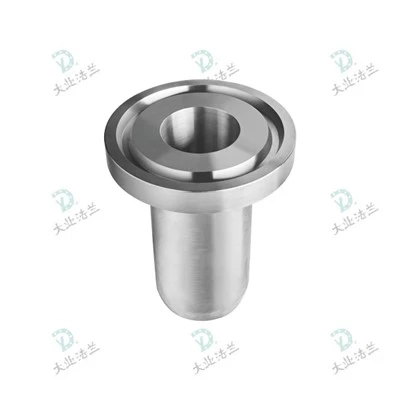
If you’re in the market for high pressure fittings elbows for your operations, whether you’re in oil and gas, power generation, mining, aerospace, or any other sector that relies on high-pressure fluid or gas systems, let’s talk. We can work with you to specify the right material, grade, and bend size for your exact application, make sure the fittings meet industry standards, and deliver them on time to minimize your downtime. We don’t do generic parts—every elbow we supply is tailored to your needs, because we know how critical these components are to your business.
Pipe Fitting Elbow References:
- American Society of Mechanical Engineers (ASME) B16.9: Factory-Made Wrought Buttwelding Fittings, 2021
- NACE International Standard MR0175/ISO 15156: Materials for Use in H2S-Containing Environments in Oil and Gas Production, 2020
- Hydraulic Institute Standards for Hydraulic Pipe, Tubing, and Fittings, 2019
- Aerospace Industries Association (AIA) Standard AS9100: Quality Management Systems for Aerospace, Space, and Defense Organizations, 2022
- International Organization for Standardization (ISO) 13707: Petroleum and Natural Gas Industries – High Pressure Connections, 2018
Zhejiang Daye Flange Co., Ltd.
Zhejiang Daye Flange Co., Ltd. is one of the most experienced high pressure fittings elbow manufacturers and suppliers in China. With a professional production team, we offer a wide range of flanges with superior quality and competitive price. Welcome to buy CE approved high pressure fittings elbow in stock here and get pricelist from our factory. We also accept customized orders.
Address: Headquarter: 8, Gangqiang Road, Yongxing Street, Longwan District, Wenzhou City, Zhejiang Province, China
E-mail: sales@dayeflange.com
WebSite: https://www.daye-flange.com/
