If you’ve ever stood in your garage with a dead car, flipped through repair forums, and wondered if a used car alternator is the right fix, you’re not alone. As someone who’s been in the automotive electrical parts industry for 12 years—first as a tech, now as a supplier—I get the question all the time: can a used alternator actually replace a brand-new (or even remanufactured) one? The short answer is yes, but only if you know what to look for, what to avoid, and how to make sure it fits your specific vehicle’s needs. Car Alternator
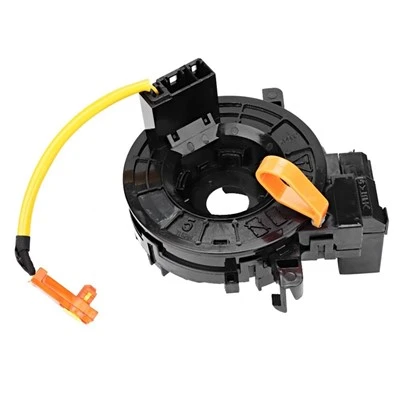
Let’s start with the basics, because too many people skip this step and end up making a costly mistake. An alternator’s job is simple, but critical: it charges your car’s battery while the engine runs, and it powers everything from your headlights and radio to the fuel injection system and safety features like anti-lock brakes. If yours dies, you can’t just swap in any used unit you find at a junkyard or online marketplace, even if it looks the same. Mismatched specs are the biggest culprit here. For example, a 150-amp alternator from a 2018 Toyota Camry won’t work reliably in a 2020 Camry that came factory-equipped with a 180-amp unit to power a factory navigation and premium sound system. The smaller unit will struggle to keep up, drain the battery over time, and leave you stranded on a cold evening when your heater is running at full blast.
That’s why, when we test used alternators before they hit our shelves, we start with spec matching. We don’t just pull a part off a take-off pile and sell it—we cross-reference your vehicle’s year, make, model, trim, and even options packages to confirm the used unit’s amp rating, pulley size, mounting style, and electrical connector all line up. A lot of first-time buyers miss the connector part: some alternators have a two-wire pigtail, others have a three-wire, and mixing those up will cause the alternator to either not charge the battery at all or overcharge it, which can fry sensitive electronics. We’ve seen that happen too many times with people who bought a used unit from a generic online seller without checking those details.
Now, let’s talk about the biggest concern most people have: reliability. Is a used alternator going to fail sooner than a new one? The truth is, it depends on how the original owner treated it and how the unit was stored. Alternators are tough, but they’re not indestructible. The number one cause of alternator failure is a bad battery. If a car is sitting with a dead battery for weeks on end, the alternator has to work overtime to recharge it when the car starts up, which wears out its internal brushes and voltage regulator way faster. That’s why at our facility, we don’t just test the output of a used alternator—we also bench-test the voltage regulator, brush wear, and diode function. We run each unit at full load for 30 minutes before it leaves our warehouse, and we reject any that don’t meet OE (original equipment) specifications. That’s a step a lot of junkyards skip; they’ll yank an alternator from a totaled car, test it for five minutes, and sell it as-is, no warranty.
Another big factor: mileage. A used alternator from a car with 50,000 miles is way more reliable than one from a car with 200,000 miles, right? Not always. We’ve had alternators from 100,000-mile vehicles that failed because the owner never replaced their serpentine belt, which put excess stress on the alternator’s bearings. On the flip side, we’ve seen alternators from 180,000-mile cars that still tested perfectly because the previous owner did regular electrical system maintenance. That’s why we don’t just go by mileage—we ask for vehicle history when a car is traded in, and we inspect the alternator’s bearings and casing for signs of overheating or corrosion. Rust on the end cap can get into the internal components and cause a short, so even if it tests good on the bench, we’ll pass on units with heavy corrosion.
Now, let’s compare used alternators to the other options you’ll find when you need a replacement: new, remanufactured, junkyard, or used from a reputable supplier. New alternators are great, but they’re often 2 to 3 times more expensive than a quality used unit, and there’s really no performance benefit for most drivers. Remanufactured alternators are a middle ground, where they take a used core, rebuild it with new internal parts, and test it. The downside is you have to pay a core charge, and if the remanufacturer cuts corners on parts, it can fail just as fast as a used unit. Junkyard alternators are the riskiest: no testing, no warranty, and you might end up paying almost as much as a reputable used supplier for a part that could die next week.
Wait, but is there a case where you should never use a used alternator? Absolutely. If you drive a performance vehicle, a hybrid, or a car with a lot of aftermarket electronics—like a 1,000-watt sound system, LED light bars, or a winch—you need a higher amp alternator that’s built to handle extra load. A used alternator from a base model of that vehicle might not have the amp rating to keep up, even if it fits physically. Also, if your current alternator is failing because of a specific issue with your car’s charging system—like a faulty alternator fuse, a bad ground wire, or a parasitic draw from a stereo that’s been modified—replacing it with a used alternator won’t fix the root problem, and you’ll just end up with another dead alternator a few months later. That’s why we always recommend that customers get their charging system diagnosed first before buying a replacement, whether it’s new or used.
I’ve seen too many people make the mistake of going cheap on a used alternator and ending up stranded. A friend of mine, a small business owner, bought a $50 used alternator from a junkyard for his pickup truck. It lasted six months before it died, and he had to pay a tow truck to get it home, plus another $150 for a new alternator total. That’s way more than the $100 he would have spent on a tested used alternator from a reputable supplier with a 12-month warranty. At our company, we offer a 12-month warranty on all used alternators we sell, because we stand behind our testing process. If a used unit fails within a year, we’ll replace it no questions asked—no core charge, no hassle. That’s not something you get from a junkyard.
Another question people ask: can you install a used alternator yourself, or do you need a mechanic? It depends on your skill level. Changing an alternator is a common DIY project for people who have worked on cars before, but it’s not for beginners. If you’re not comfortable disconnecting the battery, loosening the serpentine belt, and working around hot engine parts, it’s worth paying a mechanic to do it. Even if you get a used alternator that fits, a bad installation can cause the new unit to fail prematurely. For example, if the belt is too loose, it will slip and not charge the alternator; if it’s too tight, it will wear out the alternator’s bearings fast. That’s another thing we warn customers about: always make sure the belt tension is correct after installation, whether you do it yourself or have a mechanic do it.
Let’s also talk about common myths around used alternators. Some people think “used” means “worn out,” but that’s not true. An alternator is designed to last for 100,000 to 150,000 miles, and many of them go longer if the rest of the charging system is maintained. We’ve had used alternators from cars with 180,000 miles that still put out 14.5 volts—exactly what a healthy alternator should produce. That’s the voltage your car needs to charge the battery and power all electronics. If your alternator puts out less than 13.5 volts or more than 15 volts, that’s a sign it’s failing, and you need a replacement. We test every used alternator for that voltage before it leaves our warehouse, so you don’t have to guess.
Another myth: used alternators are only for older cars. That’s not the case. We stock used alternators for vehicles as new as 2022, because many owners of newer cars prefer a more affordable option. As long as we can confirm the spec matches and the unit tests good, it’s a viable option. The key is working with a supplier that has access to updated vehicle spec data and has the equipment to test modern alternators, which often have built-in modules that communicate with the car’s ECU (engine control unit). Generic testing tools can’t read those modules, so a good supplier will use OE-level scanners to make sure the used alternator will work with your car’s electronics.

So, wrapping this up: can a car alternator be replaced with a used one? Yes, but only if you take the right steps. Make sure it matches your vehicle’s specs, buy from a supplier that tests and warranties their used units, and get your charging system diagnosed to avoid replacing the wrong part. If you’re in the market for a used alternator, or you have questions about whether a used unit will work for your vehicle, don’t hesitate to reach out for a consultation. We can help you confirm fit, run tests over the phone, and make sure you get a reliable part that won’t leave you stranded.
Car Control Arms References:
- Automotive Aftermarket Suppliers Association. (2021). Alternator Replacement Best Practices for Light-Duty Vehicles.
- Society of Automotive Engineers. (2019). Testing Protocols for Used Automotive Electrical Components.
- U.S. Department of Energy. (2022). Vehicle Charging System Maintenance and Troubleshooting Guidelines.
- National Highway Traffic Safety Administration. (2020). Electrical Component Failure Rates for Passenger Vehicles.
Shanghai Changshun Imp.&Exp. Co., Ltd.
As one of the most professional car alternator manufacturers and suppliers in China, we are committed to providing high quality OEM service to global clients. We warmly welcome you to buy premium car alternator made in China here from our factory.
Address: No. 1558, Bai’an Road, Anting Town, Jiading District, Shanghai
E-mail: info@changhui-group.com
WebSite: https://www.changhuish.com/
