As someone who’s worked in metallurgical equipment sales for over a decade, I’ve sat across the table from countless plant managers, process engineers, and procurement leads who’ve made a choice that saved them thousands of dollars—or cost them their production timelines. The difference between success and disaster almost always boils down to one question: did you pick the right equipment manufacturer? Metallurgical Equipment
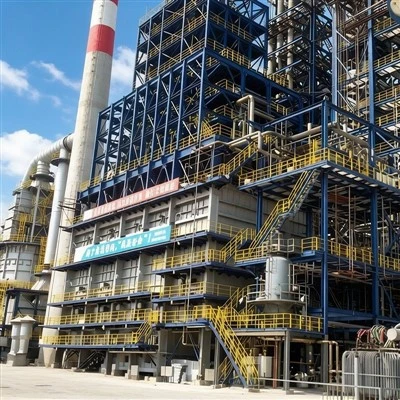
I’ll be honest here. When I first started in this industry, I assumed a manufacturer’s size or flashy trade show booth was enough to prove they were reliable. I’ve since learned that’s about as useful as judging a furnace by its paint color. Metallurgical equipment isn’t like buying a coffee maker or a forklift. It’s heavy-duty, high-precision, and often custom-tailored to the unique needs of your smelter, refinery, or recycling plant. A wrong choice doesn’t just lead to a broken machine—it can halt operations for weeks, blow out maintenance budgets, and even compromise worker safety.
That’s why I’m sharing what I’ve learned over the years, the checks we always encourage potential clients to run, and the red flags that should make you walk away. This isn’t a sales pitch (well, not a hard one at least) — it’s the kind of practical advice I wish I’d had when I was the one sifting through a dozen manufacturer proposals for my first plant project.
First, Start With Their Core Competence (Not Just “Metallurgical Equipment”)
You wouldn’t hire a general contractor to build a precision medical device, right? The same goes for metallurgical equipment. The industry is broad: it spans from iron ore sinter plants and aluminum reduction cells to gold leaching circuits and scrap metal shredders. Some manufacturers dabble in a little bit of everything, and that’s fine if you’re ordering a standard part. But if you’re investing in a high-volume copper smelter’s converters or a lithium battery recycling furnace, you need a manufacturer whose entire focus is on that specific niche.
Here’s a real example: A mid-sized steel recycling plant I worked with a couple years back tried to save 15% by going with a manufacturer that listed “metallurgical equipment” on their website. They’d built a few shredders, sure, but their experience with the shear forces and heat cycles of steel scrap was limited. Within six months, their new shear was leaking hydraulic fluid every other day, and the cutting blades were wearing out three times faster than the manufacturer’s specs promised. It cost them more in downtime than they would have paid for a specialist.
So when you’re vetting a manufacturer, ask specific questions:
- How many projects like yours have they completed in the last three years?
- Can they put you in touch with three clients who have the exact same equipment, same production volume, and same material input as yours?
- Do their engineers hold specialized certifications for the processes you use (like ISO 9001 for manufacturing, or ASME pressure vessel codes, which are non-negotiable for high-temperature equipment)?
At our company, we focus exclusively on pyrometallurgical equipment for non-ferrous smelters and lithium recycling systems. That means every engineer on our team has spent at least 5 years working on that exact equipment, and 70% of our projects are repeat clients who came to us after a bad experience with a generalist manufacturer. That’s not bragging—it’s proof of focus.
Next, Verify Their Capability Beyond the Design Floor
A lot of manufacturers can put a pretty CAD drawing on a website. But turning that drawing into equipment that actually runs 24/7 in a harsh plant environment is a whole different skill set. There are three key areas to check here: in-house manufacturing, quality control, and testing protocols.
First, in-house manufacturing. Some manufacturers are just design firms—they draw up plans, then outsource every part to third-party shops. That can work if you’re buying small, standard parts, but for large equipment, it’s a problem. If a third-party supplier messes up a critical weld on your furnace, who’s accountable? The design firm? The shop that made it? You’ll be the one stuck coordinating the fixes, which eats into your timelines.
Look for a manufacturer that owns and operates its own fabrication, welding, and assembly facilities. They should let you (or a third-party inspector) visit the plant to see the equipment being built. We regularly host client site tours, and I’ve had plant managers walk through our welding bays and immediately cross a competitor off their list—because the competitor outsources all their heavy steel fabrication to a shop that doesn’t even have certified welders for high-temperature applications.
Second, quality control (QC) processes. Metallurgical equipment has to meet strict safety standards. For example, any pressure vessel or furnace in your facility has to comply with ASME Boiler and Pressure Vessel Code, a global standard that ensures the equipment won’t rupture under heat or pressure. Ask the manufacturer for their QC documentation: do they have a dedicated team that tests every component before it leaves the factory? Do they track every weld, every material batch, and every part number so you can trace anything that goes wrong?
Third, prototype testing. The best manufacturers don’t just build your equipment and ship it. They test it first—often at a smaller scale, or in a pilot facility, to work out kinks before it’s installed at your plant. A few years ago, we built a custom zinc leaching tank for a client. Instead of just finalizing the design, we ran a 6-week test at our in-house pilot plant, adjusting the agitator speed and liner material to match their exact ore composition. That meant when we shipped it, it ran flawlessly on day one. A competitor of ours once shipped a identical tank to a different client without testing, and it overflowed in the first hour, damaging the client’s adjacent equipment.
Then, Don’t Sleep on After-Sales Support and Spare Parts
Here’s the part that most procurement teams overlook: metallurgical equipment doesn’t stop working. When a part breaks or a valve malfunctions, you can’t wait two weeks for a replacement to be shipped from overseas. If your manufacturer is halfway across the world, do they have local service technicians? Can they send a replacement part within 48 hours? And do they stock common spare parts locally, or do you have to order them through the original factory?
I’ve seen this go wrong too many times. A gold refinery I worked with bought a furnace from a European manufacturer. When a small temperature sensor failed, they had to wait 10 days for the part to be air-shipped. That meant their entire leaching circuit was idle, costing them over $200,000 in lost gold production. If the manufacturer had a North American service hub with spare sensors in stock, that downtime would have been hours, not days.
So when you’re choosing, ask:
- What’s their service response time for emergency calls? (A good rule of thumb is 24 hours for on-site service in your region.)
- Do they maintain local spare parts inventory, or will you have to order from their main factory?
- Do they offer ongoing maintenance contracts, or just one-time installation?
- How long will they honor the equipment warranty? Standard is 12 months, but some manufacturers offer 18 months for critical components like refractory linings.
This is also where working with a manufacturer that has local support makes a huge difference. We have service technicians stationed in North America, Europe, and Asia, so no matter where your plant is, we can send someone within 48 hours for urgent issues. We also stock all common spare parts at each hub, so if a seal or valve breaks, you don’t have to wait.
Check for Industry Reputation and Client Transparency
In an industry as tight-knit as metallurgy, word travels fast. A manufacturer that cuts corners will have a string of unhappy clients. A manufacturer that stands behind their work will have long-term partnerships.
Don’t just take the manufacturer’s word for it. Ask for references—not the ones they give you (they’ll pick the best ones), but go find other clients in the same industry. If you’re a copper smelter, look up copper smelters that have worked with the manufacturer in the last two years. Ask them:
- Did the equipment meet the promised production rate?
- Were there any major delays during installation?
- How did the manufacturer handle problems when they came up?
We regularly get referrals from plant managers who had a bad experience with another manufacturer. Last year, a nickel refinery contacted us after their previous supplier failed to deliver a converter on time, missing their regulatory deadline. We got the job done 2 weeks early, and they’ve since become one of our repeat clients. On the flip side, I once had a potential client tell us they avoided a certain manufacturer because three other local smelters had switched suppliers after that company’s equipment kept failing mid-production. That’s the kind of reputation you can’t buy.
Red Flags to Walk Away From
If a manufacturer checks these boxes great, but watch out for these warning signs:
- They pressure you to sign a contract quickly, saying “we have only one slot left this quarter.” Good manufacturers have more work than they can handle, but they’ll give you time to do your due diligence, not rush you.
- Their website has no client testimonials, no project case studies, and only generic photos of equipment. If they can’t show you proof of their work, they’re probably hiding something.
- They can’t provide you with clear, detailed specifications for the equipment, or they refuse to share their QC process documentation. Any reputable manufacturer will be transparent about how they build their equipment.
- They quote a price that’s 20% lower than every other bid. Metallurgical equipment is a capital investment. If a price is too good to be true, it usually means they’re using cheaper materials, cutting corners on QC, or will charge hidden fees for installation or spare parts later.
A Final Note: It’s a Partnership, Not a Purchase
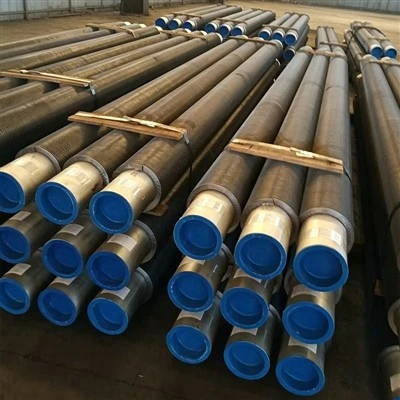
At the end of the day, choosing a metallurgical equipment manufacturer isn’t just about buying a piece of machinery. It’s about finding a partner who will be there when you need support, who understands your process, and who will stand behind their work for years. I’ve seen too many teams focus only on the initial cost, and end up paying far more in the long run.
Heating Furnace At our company, we don’t just sell equipment—we work with you from design through installation, and beyond, to make sure it meets your exact needs. If you’re currently vetting manufacturers for your next project, or have questions about what to look for, we’re here to walk through the process with you. Reach out to our team to discuss your requirements, request a project reference, or arrange a facility tour. We’re happy to help you avoid the mistakes I’ve seen so many others make.
References
- International Organization for Standardization (ISO). ISO 9001:2015 Quality Management Systems Requirements. Geneva, Switzerland, 2015.
- American Society of Mechanical Engineers. ASME Boiler and Pressure Vessel Code Section VIII: Pressure Vessels. New York, NY, 2023.
- Metallurgical Industry Equipment Manufacturers Association. 2024 Guide to Selecting Process Equipment for Non-Ferrous Smelting Operations. Chicago, IL, 2024.
- Occupational Safety and Health Administration (OSHA). Safety Standards for Industrial Furnaces and High-Temperature Equipment. Washington, DC, 2022.
Jiangsu Dongfang Whole-Set Equipment Manufacturing Group Co., Ltd.
We are one of the most professional metallurgical equipment manufacturers and suppliers in China, also support customized service. With abundant experience, we warmly welcome you to buy durable metallurgical equipment from our factory. If you have any enquiry about pricelist, please feel free to email us.
Address: No. 9, Industrial Park, Xinqiao Town, Jingjiang City, Jiangsu Province
E-mail: dfctwm@163.com
WebSite: https://www.dongfangequip.com/
