Hey everyone, let’s cut to the chase: when people start talking about diamond rings that aren’t exactly engagement rings but way more serious than a random birthday bling, you’ve probably heard the term “commitment diamond ring” thrown around. Maybe you’ve seen it on Instagram captions from long-term couples, or scrolled past it while diamond shopping and thought, “Wait, is this just a fancy engagement ring? Or something totally different?” As someone who’s been in the diamond ring supply game for over a decade—helping people pick out the right stone for whatever big moment they’re celebrating—I get how confusing this can be. A lot of folks still mix up commitment rings with engagement rings, so today I wanna break it down, no stuffy jargon, just real talk about what these rings actually are, why they matter, and how they’re way more flexible than the traditional rings you see in rom-coms. Diamond Ring
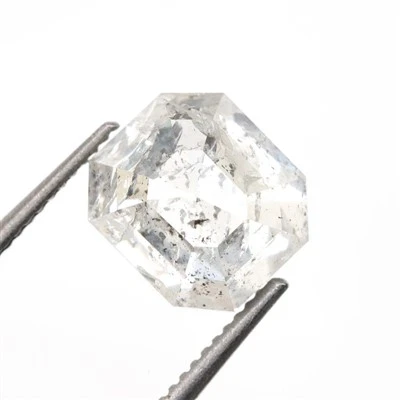
First off, let’s get the basics straight. An engagement ring is the one you give when you’re about to propose, right? It’s tied directly to that “will you marry me?” question. A wedding band is the one you exchange at the altar, part of the legal contract of marriage. But a commitment diamond ring? It’s all about the choice to commit—no proposal, no wedding date set in stone, just two people deciding they’re in this for the long haul, whatever that looks like for them. For some couples, that might be a decade of dating, living together, building a life, and they just wanna mark that milestone before popping the question. For others, it’s same-sex couples who can’t legally get married in their area (sadly, that’s still a reality in too many places) so a commitment ring is their way of sealing that promise. Even married people sometimes get these—like a 10th anniversary ring, to celebrate sticking it through the tough parts as much as the fun ones. It’s not about checking a box; it’s about owning the commitment, in whatever form that takes for you.
Wait, but why a diamond? Couldn’t you use any stone? Let’s be real—diamonds are iconic for a reason. They’re the hardest natural substance on Earth, right? That’s not just a sales line from old ads; they’re durable enough to last a lifetime, even the daily knocks and scratches from washing dishes or lifting groceries. Plus, they sparkle like no other stone, which makes them perfect for something you wear every day as a reminder of your person. Now, I’m not just talking natural mined diamonds—lab-grown diamonds are super popular for commitment rings these days too. They’re chemically identical to mined diamonds, way more affordable, and way less impact on the environment. A lot of couples I work with love that part—knowing their ring doesn’t fund harmful mining practices that hurt communities or ecosystems. That’s a big deal for younger folks, who prioritize ethical options way more than previous generations.
But here’s the thing: commitment diamond rings don’t follow the same rules as engagement rings. Let’s talk about size first. Engagement rings are almost always that big, prominent center stone, right? But commitment rings? Some people go with a tiny, subtle stone that fits their everyday style—like a 0.25-carat round brilliant that looks sleek on a plain band. Others go for multiple smaller stones, or even a unique shape—like a pear or marquise—if that’s what their partner loves. I had a client last year, a pair of women who’ve been together 12 years, and they each got a commitment ring with alternating small pink and white diamonds, no center stone at all. They didn’t want anything flashy; they just wanted matching rings that felt like them. Another couple got a 2-carat oval diamond for his ring and a tiny half-carat for hers, since he’s a construction worker and can’t wear a big stone on site. That’s the flexibility I love about commitment rings—they’re all about your relationship, not some outdated Pinterest board.
Another big difference: who gives them. Engagement rings are almost always from one partner to the other, for the proposal. But commitment rings? They can be a gift from one to the other, or even matching rings that both people buy for each other. I had a guy come in a few months back, he’d been dating his partner for 8 years, they had a house and two dogs, and he wanted to get his partner a ring, but he didn’t wanna propose yet—he wanted to take it slow, make sure the wedding was exactly what they wanted. So he picked a classic solitaire, and his partner ended up picking a matching band for him, so they both had something to wear. That’s way more equal and open than the old proposal dynamic, and it fits how relationships work now.
Wait, but let’s address the elephant in the room: why would you get a commitment ring instead of just waiting for an engagement ring? For a lot of people, it’s about security. Marriage isn’t legally available everywhere, so a commitment ring is a public, personal promise that’s just as meaningful, even if it’s not legal. For others, they don’t believe in the “one ring to rule them all” approach. Maybe they wanna celebrate milestones along the way—so after 5 years, a commitment ring, then after 10, an anniversary band, then when they’re ready, an engagement ring. Or maybe they’re in a relationship where they don’t wanna get married at all—some couples are perfectly happy with a long-term, committed partnership without a legal marriage, and a commitment diamond ring is their way of honoring that choice. That’s totally valid, and it’s something I see more and more of these days. The old idea that every relationship has to follow the same timeline is garbage, and commitment rings are proof of that.
Now, let’s talk about picking one, because I know a lot of people get stuck here. First, don’t overthink it. You don’t need to spend a year’s salary—hell, you don’t need to spend more than you can comfortably afford. I’ve had couples come in with a $500 budget and walk out with a beautiful lab-grown diamond ring that’s perfect for them, and others with a $5,000 budget who wanted a bigger stone for their matching bands. The key is finding something that fits your partner’s style, not what you think a commitment ring “should” look like. If your partner hates flashy stuff, go for a tiny stone on a thin band. If they love to dress up, go for something with more sparkle. And don’t sleep on lab-grown diamonds—they’re just as beautiful as mined ones, and you can get way more for your money. I always tell people: a diamond is a diamond, whether it came from a mine or a lab, what matters is what it represents to you.
Also, size matters in a different way than engagement rings. For a commitment ring, since it’s often worn daily, you wanna make sure the size is right. If your partner works with their hands, a big center stone might get caught on things, so a side-stone ring or a lower-profile setting is better. That’s the stuff I talk through with every customer, not just pushing the biggest, most expensive ring. I’ve been in this game long enough to know that the best ring isn’t the most expensive one—it’s the one that makes your person smile when they look down at it.
Wait, let’s also clear up a common myth: commitment diamond rings aren’t just for new couples. I had a client last year, a man in his 60s who was getting remarried after his first wife passed, and he wanted a commitment ring for his fiancée, but they didn’t wanna get married right away, they wanted to take their time. So he picked a 1-carat cushion cut diamond, and his fiancée got a matching band. He told me, “I’ve already done the proposal and the wedding, now I just wanna promise her we’re in this, no rush.” That’s exactly what these rings are for—any stage, any relationship, any timeline.
So why should you care about commitment diamond rings? Well, if you’re in a long-term relationship, whether you’re engaged, married, not married, waiting to propose, or never gonna propose, it’s a way to mark that bond in a tangible, beautiful way. Diamonds last forever, just like your commitment, and every time you look at that ring on your finger, you’ll remember why you got it. It’s not a symbol of society’s rules—it’s a symbol of your own choice.
If you’re thinking about getting a commitment diamond ring, don’t stress too much about the details. Take your time, talk to someone who knows their stuff (hi, that’s me, and my team), and pick something that feels like you. At the end of the day, the ring is just a tiny piece of metal and stone—what matters is the promise behind it.
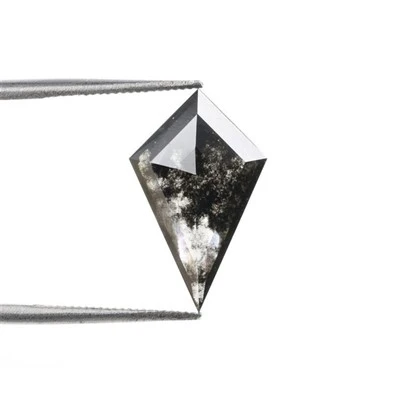
If you’re ready to chat about finding the perfect commitment diamond ring for you and your person, reach out. We can talk through styles, budgets, lab-grown vs mined, whatever you need. No pressure, no sales pitch—just real help picking something that means something.
Lab Grown Diamonds References:
- GIA. (2024). Diamond buying guide: Understanding the 4 Cs. Gemological Institute of America.
- Pew Research Center. (2023). The changing dynamics of romantic commitment in the U.S.
- Diamond Pro. (2024). Lab-grown diamonds vs. natural diamonds: A consumer’s guide.
Hongkong Jingcan Crystal Craft Limited
Hongkong Jingcan Crystal Craft Limited is one of the most experienced diamond ring manufacturers and suppliers in China. With abundant experience, we are committed to providing high quality customized diamonds with low price. Please rest assured to wholesale bulk classy diamond ring in stock here and get quotation from our factory. 3 years warranty is available.
Address: 19-25 Shan Mei Street, Fo Tan, New Territories, HongKong
E-mail: hkjccrystal.cheungkong@gmail.com
WebSite: https://www.hkjcdiamond.com/
