Let’s cut to the chase—if you’ve ever pumped iron, climbed a machine, or swung a kettlebell on a gym floor, you’ve probably stumbled across a swivel point and not even known it. I’ve been in the game as a swivel point supplier for over a decade, and let me tell you, this tiny, often-overlooked part is the unsung hero that keeps gym machines from feeling like a stiff, clunky mess. Today, I’m breaking down exactly what a swivel point is, why it matters more than you think, and why it’s non-negotiable for anyone who designs, builds, or uses gym equipment. Swivel Point
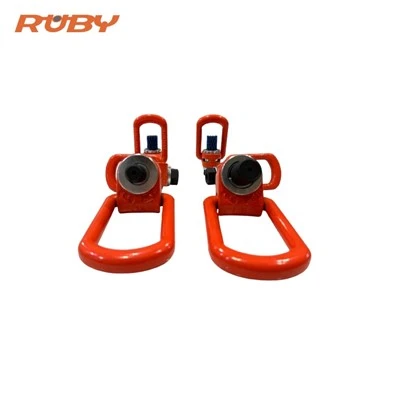
First, let’s get the basics out of the way in plain English—no engineer jargon, I promise. A swivel point is a specialized rotational joint built into gym machines that lets two parts move independently of each other, on a single axis, without binding, squeaking, or wearing out fast. Think of it like the hinge on your fridge door, but way more precise and built to handle the brutal, repetitive force of bicep curls, leg presses, or cable rows. The key difference? A regular hinge lets a door swing open and shut, but a swivel point is designed to rotate smoothly under load, even when you’re yanking, pushing, or pulling with all your strength mid-workout.
You might be wondering, “Do I even notice this when I’m lifting?” Most of the time, not consciously—until it stops working right. Ever grabbed a cable handle for a tricep pushdown, pushed down, and felt the cable rod twist awkwardly instead of moving straight? That’s your swivel point slacking. Or been on a leg extension machine and had the seat pivot awkwardly when you extended your knee? Yep, that’s another swivel point doing (or failing to do) its job. These parts are so small, most gym-goers don’t name them, but they’re everywhere: on cable machines, selectorized weight stacks, rowers, even adjustable bench seats.
Now, let’s dive into why a good swivel point isn’t just a “nice-to-have”—it’s the backbone of a safe, long-lasting gym machine. Let’s talk about the physics, but keep it simple. Every time you perform a compound movement or use a cable, your body isn’t moving in a straight line. For example, when you do a chest fly on a cable crossover, your arms arc outward and inward, not straight. A swivel point on each cable attachment lets the handle rotate to match that natural arc, so you don’t have to fight the machine to get a full range of motion. That’s not just comfort—it’s injury prevention. If your machine forces your body to move in an unnatural way, you’re way more likely to pull a muscle, strain your shoulder, or tweak your knee. A quality swivel point eliminates that force mismatch, letting you focus on lifting, not compensating for bad design.
Then there’s durability. Gym machines take a beating—thousands of reps a day, wet floors (thanks to sweaty leggings and spilled water bottles), constant torque from heavy weights. A cheap swivel point might use a flimsy bearing or a loose pin, and after a few months, it squeaks, wobbles, or seizes up. I’ve seen gyms replace entire cable machines because a $15 swivel point went bad and wore out the whole assembly. That’s a huge waste of money—especially for commercial gyms that rely on their equipment to be in top shape 10 hours a day, 7 days a week. A well-made swivel point? It can last 10+ years, even in the busiest commercial gyms, because it’s built with high-grade stainless steel, sealed bearings to keep out dust and moisture, and a design that distributes load evenly instead of focusing stress on one tiny spot.
Wait, but not all swivel points are created equal, right? Let’s break down the types you’ll find in gym machines, because that matters a lot if you’re buying them (whether you’re a gym owner, equipment manufacturer, or even a hobbyist building home gym gear). The most common ones are:
-
Sealed Ball Bearing Swivel Points: These are the workhorses. They have small steel balls inside a raceway, sealed tight to keep dirt and water out, and they rotate 360 degrees smoothly. You’ll find these on cable handles, leg press footplates, and rowing machine oar mounts. No squeaks, no wobbles, minimal maintenance. That’s my go-to for most gym equipment—they balance performance and cost perfectly.
-
Pivot Pin Swivel Points: Cheaper, simpler, just a metal pin that lets two parts rotate around it. You’ll see these on adjustable bench hinges or light-duty home gym machines. The downside? They need lubrication every few months, and they can rust if not taken care of. Good for light use, but not for heavy commercial equipment.
-
Universal Joint Swivel Points: These are for when you need movement on two axes, not just one. Think of the driveshaft in a car—they let parts rotate at an angle. You’ll find these on heavy cable crossover machines or functional trainers, where the cable moves in more than one direction as you work out. They’re more complex, but they handle way more torque than basic bearing swivels.
Here’s the thing I see a lot of manufacturers get wrong: they cut corners on swivel points to lower upfront costs, and then gyms end up paying for it later. I talked to a buddy who owns a small commercial gym last year—he bought a used cable machine online for a steal, and within 6 months, the swivel point on the low pulley seized up so bad, it bent the cable rod. He had to replace the whole pulley assembly for $800, which is 50% of what he paid for the machine. If he’d invested $20 more in a quality swivel point upfront, he would’ve saved that cash, plus the downtime when the machine was out of order.
For home gym users, swivel points matter too, even if you’re lifting 10lbs vs. 300lbs. Ever used a cheap resistance band and the handle twists mid-curl? That’s a tiny swivel point (or lack thereof) that’s causing the frustration. Add a proper swivel point to your resistance band set or home cable machine, and your workouts feel way smoother, no more fighting twisted handles.
Now, let’s get personal—this isn’t just me selling parts. I’ve been in this industry long enough to see how bad swivel points ruin a great workout. I once helped a client who owned a big box gym; they had 20 cable machines, and half of them had squeaky, wobbling swivel points that trainers were complaining about. Members were leaving reviews saying the “equipment feels old and broken.” We swapped out all their cheap swivels for our sealed bearing ones, and within a month, the complaints stopped. They didn’t have to replace any other parts, and the machines looked and functioned like new. That’s the impact a tiny swivel point can have on a gym’s bottom line and reputation.
So, what should you look for when you need swivel points for your gym or equipment? First, ask about the bearing type—sealed ball bearings are non-negotiable for commercial use. Next, check the load rating: make sure it’s rated for the maximum weight your machine will handle (don’t buy a 200lb swivel point for a leg press that uses 500lb stacks). Third, ask about corrosion resistance—gyms are damp, so stainless steel or zinc-plated parts are a must, not cheap bare steel. And finally, ask for a sample before you commit—spin it, tug on it, make sure it doesn’t wobble or feel stiff. If a supplier hesitates to send a sample, that’s a red flag.
I know a lot of people in the industry like to act like their parts are “top secret” or too specialized for small orders, but that’s nonsense. Whether you’re a small gym needing 10 replacement swivels, a manufacturer building 100 new cable machines, or a hobbyist fixing a home gym, you need swivel points that work. I’ve worked with everyone from solo home gym owners to large commercial gym chains, and I treat every order the same—no hoops, no hidden fees, just parts that do what they’re supposed to do.
Let’s circle back to why this matters, beyond just the gym floor. Good gym equipment should last, plain and simple. When you invest in quality swivel points, you’re investing in less downtime, fewer repairs, happier members, and a better workout experience. It’s one of those small, unglamorous parts that makes all the difference between a gym that feels like a chore and one that people actually want to go to.
If you’re a gym owner tired of replacing broken swivel points, an equipment manufacturer who wants to build better, longer-lasting machines, or someone who just wants to upgrade their home gym, I’m here to help. We don’t do generic, one-size-fits-all swivels—we can custom-make parts for any machine, from old classics to brand new functional trainers. Just reach out, tell me what you need (size, load, type, even if you have an old part to match), and we’ll hook you up. No sales fluff, no confusing tech talk, just solid parts that work.

At the end of the day, gyms are about people moving their bodies, pushing their limits, and feeling good. The last thing anyone needs is a tiny, overlooked part getting in the way of that. Swivel points might be small, but they’re the unsung backbone of every great workout. Now go check your machines—you’ll probably spot a swivel point doing its job right (or wrong) before you finish reading this.
Chain Sling References:
- American Council on Exercise: “Functional Exercise and Equipment Design for Injury Prevention”
- National Strength and Conditioning Association: “Durability Considerations for Commercial Gym Equipment Components”
- Fitness Equipment Institute: “Component Standardization for Gym Machine Maintenance”
- Journal of Sports Engineering and Technology: “Rotational Joint Performance in Load-Bearing Exercise Equipment”
Hangzhou Ruby Imp. & Exp. Co., Ltd.
As one of the most professional swivel point manufacturers and suppliers in China, our products have good reputation in the market. Please feel free to wholesale durable swivel point made in China here from our factory. Also, custom service is available.
Address: Taoyuan Industrial Park, Puyang Town, Xiaoshan, Hangzhou, Zhejiang, China.
E-mail: Sales5@z2lifting.com
WebSite: https://www.ruby-lifting.com/
