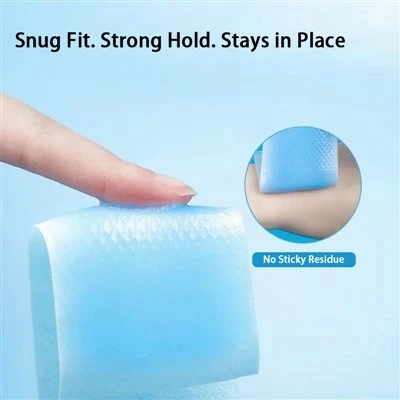
Fever Cooling Patch Hey everyone,
If you’ve ever changed a bandage for a minor cut, a post-surgical incision, or a chronic wound, you might’ve glanced at the price tag and thought, “Wait, why is a tiny strip of sticky cloth so expensive?” As a medical bandage supplier who’s been in this game for years, I get it—people don’t just look at the upfront cost. There’s a whole chain of hidden costs that turn that cheap-looking roll into a product that actually works. Let me break this down like I would to a regular client, no stuffy jargon, just real talk.
First off, let’s start with what most folks don’t see: raw materials aren’t just cotton or plastic. A lot of basic bandages use non-woven fabric, which is way different from the cotton gauze you used as a kid. This stuff has to be soft enough not to irritate sensitive skin (think post-op patients or people with eczema) but strong enough not to tear when you’re changing a dressing, even if the wound’s oozing. Add the adhesive—no, not the cheap craft glue from the dollar store. Medical-grade acrylate adhesive is hypoallergenic, so it doesn’t leave residue when you peel it off, and it sticks to skin for hours (even when someone’s sweating a little or taking a shower). Then there’s the pad: sterile, antimicrobial, sometimes infused with silver or aloe vera to prevent infection. Silver-infused pads, for example, aren’t just a trend—they’ve got proven data to slow bacterial growth, which means fewer readmissions for hospitals. Those materials don’t come cheap; even a 100-yard roll of non-woven fabric can cost three to four times what plain cotton did five years ago, thanks to supply chain snags over the last few years.
Next, there’s manufacturing. This isn’t like cutting fabric at home. Every bandage has to be sterile—no exceptions. A single speck of bacteria on a pad could lead to a serious infection, which is why we use clean rooms with HEPA filters, regular air quality checks, and full sterilization cycles (usually ethylene oxide, which is not something you mess with without specialized gear). The machinery? It’s high-speed but precise—each bandage has to have the right amount of adhesive, the pad has to be centered perfectly, and the edge has to be sealed so it doesn’t fray. Even a tiny misalignment means the whole batch gets scrapped, and those machines cost millions to install and maintain. I’ve seen factories shut down for days just to calibrate a single part, and that downtime adds to the cost, which gets passed on to buyers.
Then there’s the regulatory side. I know, it’s a headache, but it’s non-negotiable. Medical devices (even bandages) have to meet FDA standards here in the US, CE marks in the EU, and similar rules in every other country we sell to. That means testing each batch for sterility, biocompatibility, and strength, plus updating documentation every time we tweak a design. A few years back, we had to redo a whole line of our adhesive strips because a small change in the adhesive formula didn’t pass the biocompatibility test—cost us tens of thousands, and that’s money that doesn’t disappear, it gets rolled into the product’s price. For small clinics or home health care providers, this adds up way more than a retail buyer would notice.
Wait, let’s not forget the “invisible” costs that matter most: waste and usability. If a bandage is too big, you’re throwing away half of it; too small, it doesn’t cover the wound. Cheap bandages also peel off after a few hours, so you’re buying more than you need. I’ve talked to a local clinic that was using generic bandages and going through 20% more a month because they kept falling off—switching to our mid-range bandages cut their supply costs by 12% overall, even though our per-unit price was a tiny bit higher. That’s the thing about medical bandage costs: it’s not just upfront, it’s total cost of use, and that’s a point most suppliers don’t make clear.
Let’s also talk about the difference between retail and bulk, because that’s where a lot of my clients come in. A single box of 10 adhesive bandages at the drugstore is $3 to $5, but a case of 2,000 for a clinic or home health agency? That’s where the real negotiation happens. When you buy in bulk, we can cut down on packaging costs (no fancy individual wrappers, just sterile packs of 100), reduce manufacturing overhead, and pass those savings along. But even bulk has its own costs: storage (sterile products need climate-controlled warehouses to prevent contamination), shipping (hazardous materials like ethylene oxide sterilants have special handling fees), and distribution—getting products to remote clinics in rural areas or hospitals across the country doesn’t come cheap.
What about specialized bandages? The ones people don’t see as much, like hydrocolloid bandages for pressure ulcers or mesh bandages for burn care. Those are way more expensive than basic sticky strips because they use materials that can hold moisture, protect deep wounds, and speed up healing. A single hydrocolloid bandage can cost $10 to $20, but think about what happens if a pressure ulcer gets infected: a trip to the ER, antibiotics, maybe surgery. That $20 bandage prevents that, so the real cost isn’t the bandage—it’s the care you avoid. I’ve had a doctor tell me last year that a patient’s pressure ulcer got way worse because they used a cheap, non-breathable bandage, and that ended up costing the clinic $1,500 in extra care. That’s the part no one talks about when they complain about bandage prices.
Now, let’s address the elephant in the room: price gouging. Yeah, there are some bad actors out there jacking up prices on basic bandages, especially during shortages (remember the early pandemic when store brands were gone, and the name brands tripled in price?). But for legitimate suppliers, we’re not just marking up raw materials—we’re covering all the steps that make the product safe and effective. When you buy from a supplier like me, you’re paying for sterility, reliability, and a product that won’t cause more problems than it solves.
Wait, let’s get back to the human side. I started this company because my mom, a nurse, complained all the time about how generic bandages kept tearing mid-change, making her work harder and risking her patients’ wounds. That’s why I focus on making a mid-range, consistent product—not the super expensive luxury ones, not the cheap junk that falls apart. I know that for a small clinic, every dollar counts, and for a family doing home wound care, they don’t want to blow their grocery budget on bandages that don’t work. So we work with clients to figure out what their actual needs are—if they need basic strips for minor cuts, we’ve got those at a fair price; if they need specialized wound care bandages, we can adjust our pricing for bulk orders.
So what’s the real cost of medical bandages? It’s not just the number on the box. It’s raw materials, manufacturing, regulation, waste, and the peace of mind that the product won’t let you down. It’s the difference between a bandage that takes 10 seconds to apply and stays on, and one that takes 5 minutes to reapply because it peeled off. For my clients, that adds up.
If you’re a clinic manager, home health care coordinator, or even a small practice looking to restock bandages without overspending, hit me up. We can talk through your needs, get you a custom bulk quote, and make sure you’re getting a product that’s safe, consistent, and fits your budget. No hidden fees, no weird fine print—just straight talk about what we can supply and how it works for your team.
References Medical Bandage
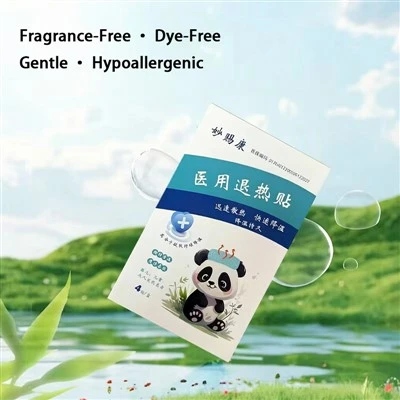
- U.S. Food and Drug Administration. (2022). Medical Device Testing Requirements for Wound Care Products.
- European Commission. (2021). CE Marking Guidelines for Single-Use Medical Devices.
- World Health Organization. (2020). Global Supply Chain Challenges for Medical Supplies in Low- and Middle-Income Countries.
- Journal of Wound Care. (2022). Cost-Effectiveness of Antimicrobial Bandages for Preventing Wound Infections.
- International Organization for Standardization. (2021). ISO 11135: Sterilization of Medical Products – Ethylene Oxide Requirements.
Anhui Meikangning Biotechnology Co., Ltd.
As one of the most professional medical bandage manufacturers and suppliers in China, we’re featured by quality products and good price. We warmly welcome you to buy customized medical bandage made in China here from our factory. If you have any enquiry about pricelist, please feel free to email us.
Address: Room 3-1, Building 7, Guojiaomei Industrial Park, Chengbei Town, Jin’an District, Lu’an City, Anhui Province, P.R.China
E-mail: M13957922968@163.com
WebSite: https://www.meikangningbio.com/
